REVIEW · HO CHI MINH CITY
Cu Chi Tunnels Guided Tour: Vietnam War History Half-Day
Book on GetYourGuide →Operated by SST Travel · Bookable on GetYourGuide
Crawling underground changes your sense of time. This half-day Cu Chi Tunnels trip from Ho Chi Minh City uses an A/C bus and an English-speaking guide to turn Vietnam War history into something you can see and understand, from preserved tunnel sections to trap setups and wartime stories. I like the fast, focused timing, and I also like that guides (for example Khoa, Lenny, Bao, Robert, and Rick) often explain how the tunnels worked in everyday terms, not just dates and facts.
One real consideration: if you’re bothered by tight spaces, take the warning seriously. The tour isn’t suitable for people with claustrophobia, and the tunnel crawl option can be physically demanding even when the area is lit and marked.
In This Review
- Quick hits before you head underground
- From Ho Chi Minh City to Cu Chi: the bus ride that sets the tone
- Arriving at the site: what you’ll see above ground
- Traps, bunkers, kitchens, and the underground routine
- The optional crawl: what it feels like and how to decide
- Weapons displays and war stories: making sense fast without feeling lost
- Morning vs afternoon and small vs big groups: choosing your day
- What you get for the money: price, inclusions, and the real bargain
- Comfort and packing: the stuff that makes the crawl bearable
- Should you book Cu Chi Tunnels with a guided half-day plan?
- FAQ
- How long is the Cu Chi Tunnels guided tour?
- What’s included in the tour price?
- Is crawling through the tunnels required?
- What group sizes are available?
- Are there extra costs on certain dates?
- What should I bring, and is smoking allowed?
Quick hits before you head underground
- Half-day timing that fits a full HCMC day: morning runs about 7:30–14:30, afternoon about 12:30–19:30.
- A/C transport plus hotel pickup/drop-off so you don’t waste time sorting buses and directions.
- Original tunnel experience with an optional crawl through a preserved section.
- See wartime “how it worked” details like underground kitchens, hospitals, bunkers, and trap devices.
- Real-world value at around $16 per person, with a guide, entrance ticket, snacks, tea, and water bundled in.
From Ho Chi Minh City to Cu Chi: the bus ride that sets the tone
The day starts with being collected from your hotel area in Ho Chi Minh City, then heading out by air-conditioned van, bus, or limousine (it depends on the option you pick). The whole point is to get you out of city traffic and into the Cu Chi region at a pace that doesn’t feel rushed.
I like that the tour isn’t just tunnel photos. On the drive, your English guide typically frames what you’re about to see: how the Cu Chi area became a resistance stronghold and why tunnels mattered so much. That context changes what the site feels like once you arrive. Instead of treating the tunnels as a curiosity, you understand them as a system—movement, protection, and survival in one.
Timing matters here. If you choose the morning tour (roughly 7:30 to 14:30), you’re usually done early enough to keep sightseeing later. If you’re more of a late starter, the afternoon option (roughly 12:30 to 19:30) can line up nicely with other plans. Either way, you’re trading a full day for a tight, guided hit.
Other half-day Cu Chi Tunnels tours we've reviewed in Ho Chi Minh City



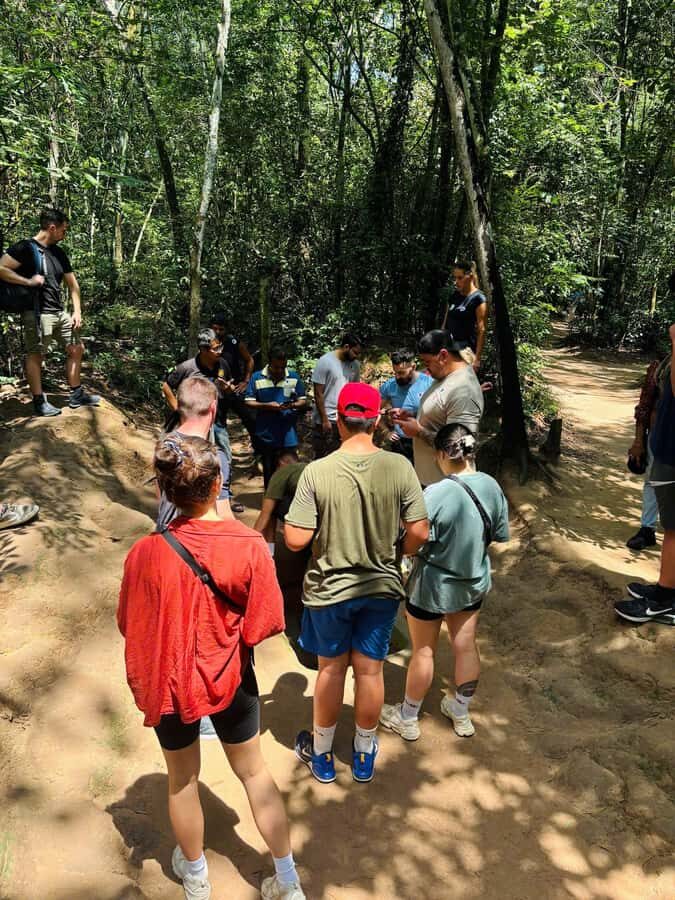
Arriving at the site: what you’ll see above ground
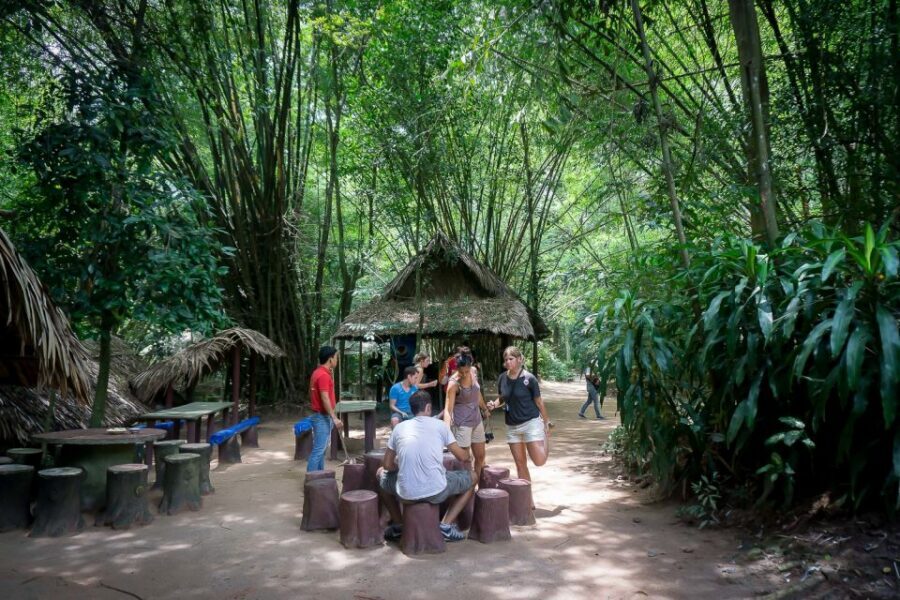
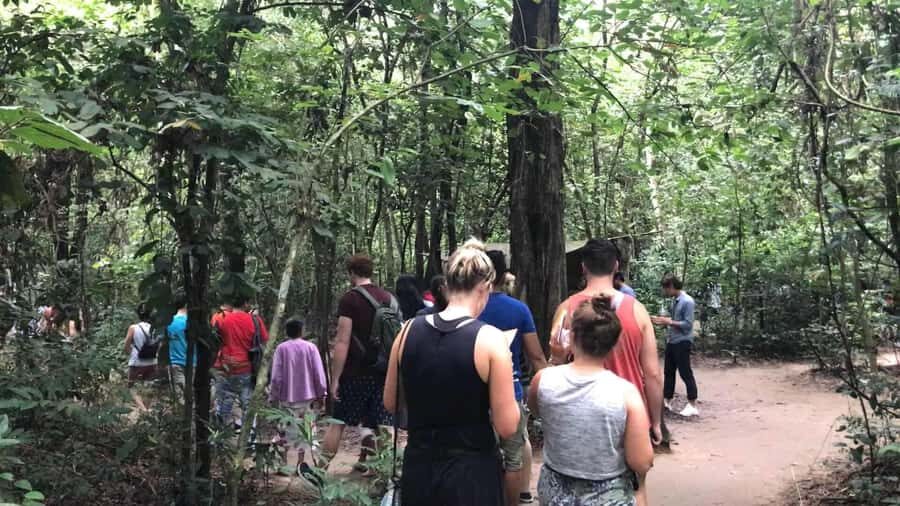
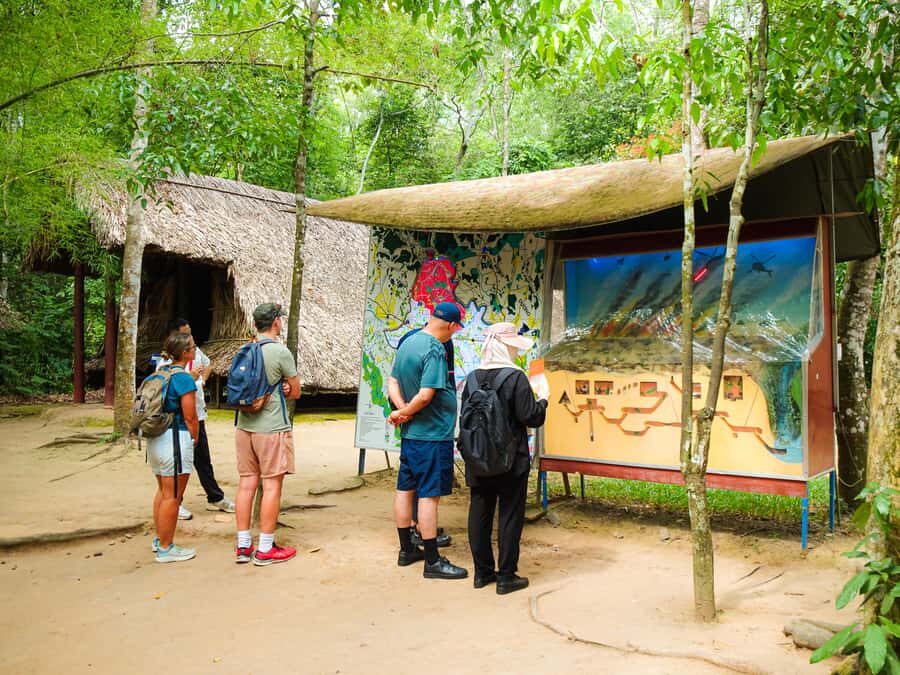
When you reach the Cu Chi Tunnels area, you don’t just walk straight to the tunnel mouth. You’re shown a preserved slice of the broader network, plus displays that help you connect the underground spaces to the war outside them.
Expect to see things like:
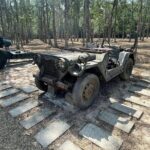
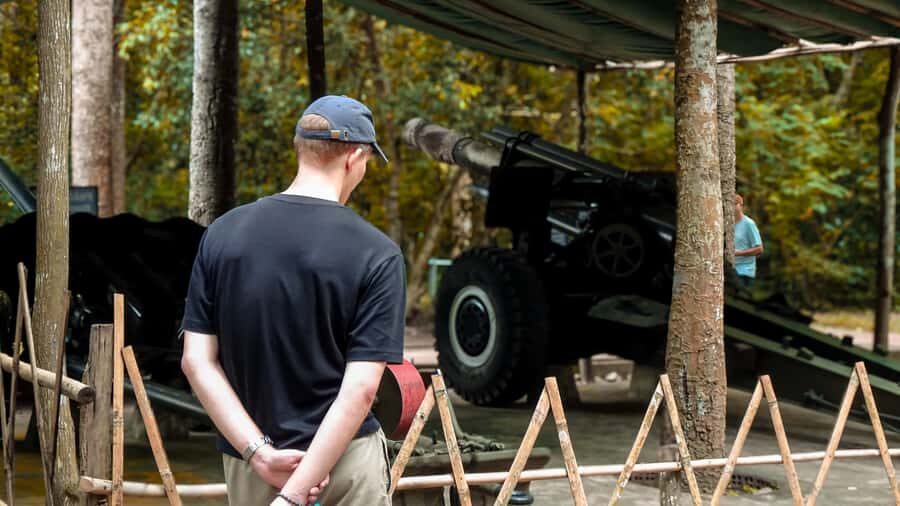
- weapon and equipment displays
- trap and booby-trap setups
- information about how the tunnel layout supported living and fighting
This part is useful because it teaches you how to read the site. A lot of people show up looking for one dramatic moment; the guide helps you notice the smaller logic points too—why certain spaces were built, why movement had to be controlled, and how risk was managed.
Also, you’ll have time to walk at a guided pace rather than sprint. That matters for comfort, especially when steps and uneven surfaces are part of the experience.
Traps, bunkers, kitchens, and the underground routine
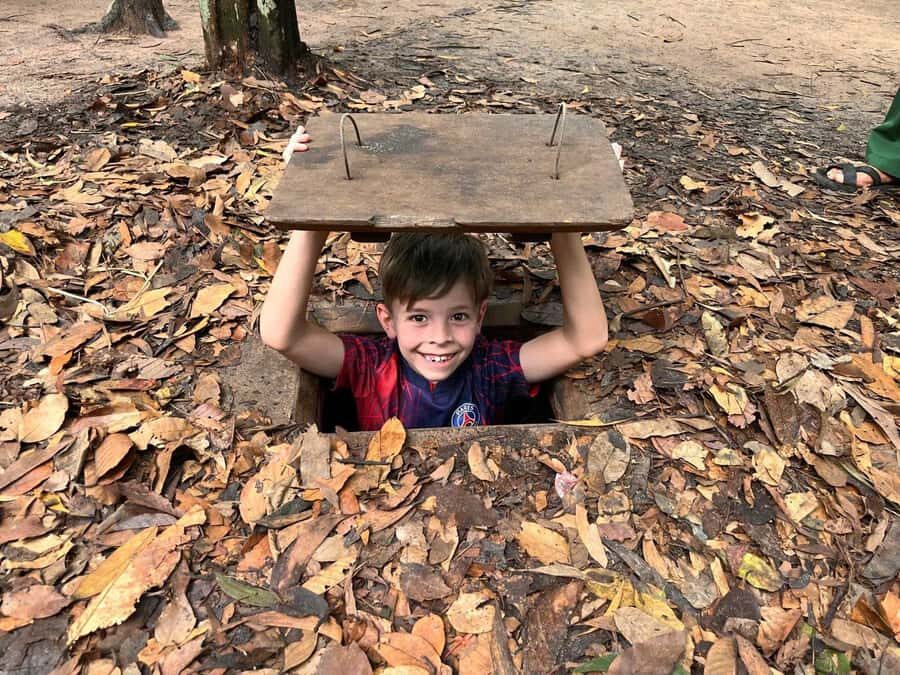
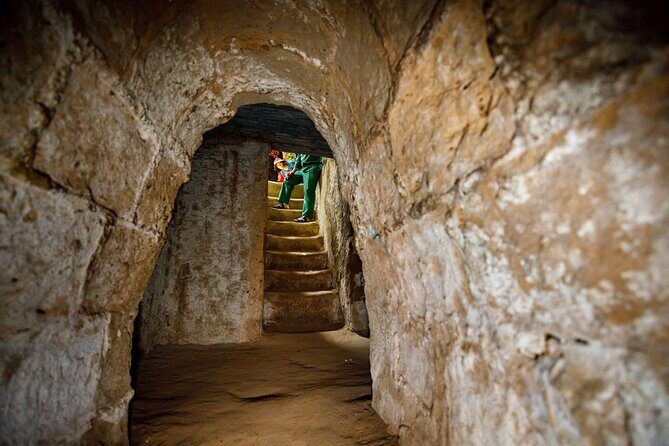
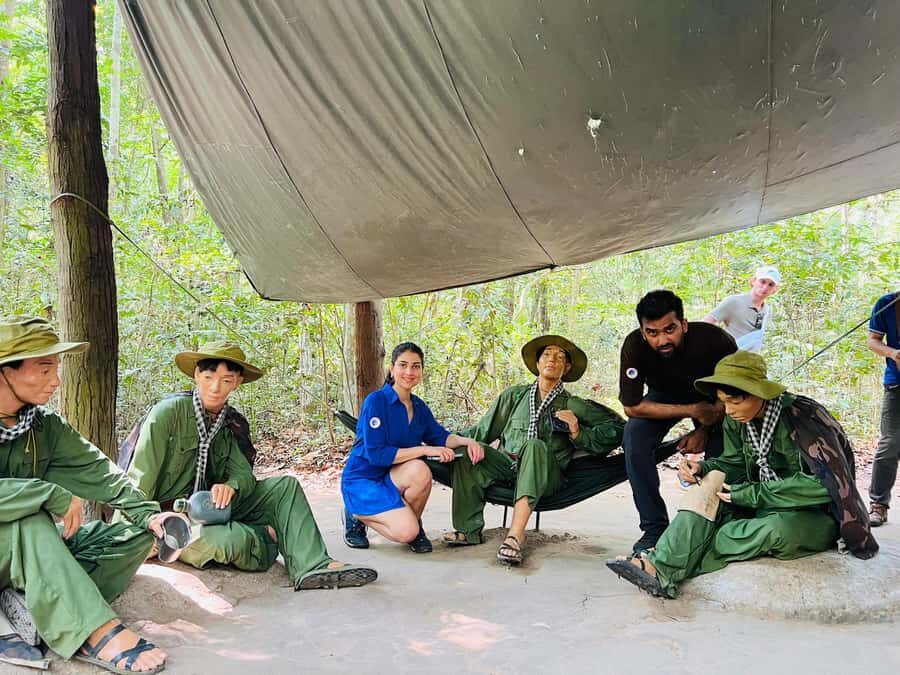
Once you get into the heart of the preserved section, the tour becomes less like a museum and more like a guided walkthrough of war-era daily life. You’ll see hidden trapdoors, underground bunkers, improvised hospital spaces, and kitchens. Your guide’s job is to connect each item to a function, and that’s where the experience often feels most powerful.
The best guides don’t just point and move on. They explain what the space would have meant for the people using it. For example, underground kitchens aren’t shown as a survival trivia question; they’re framed as part of keeping a fighting force fed and operational. Similarly, hospital areas come with an explanation of why access, concealment, and speed mattered.
This is also where you should watch your own comfort level. Some displays are graphic in concept, and the stories aren’t written to be casual. If you want war history in a respectful, grounded way—this tour is built for that. Just remember you’re not there for a thrill ride.
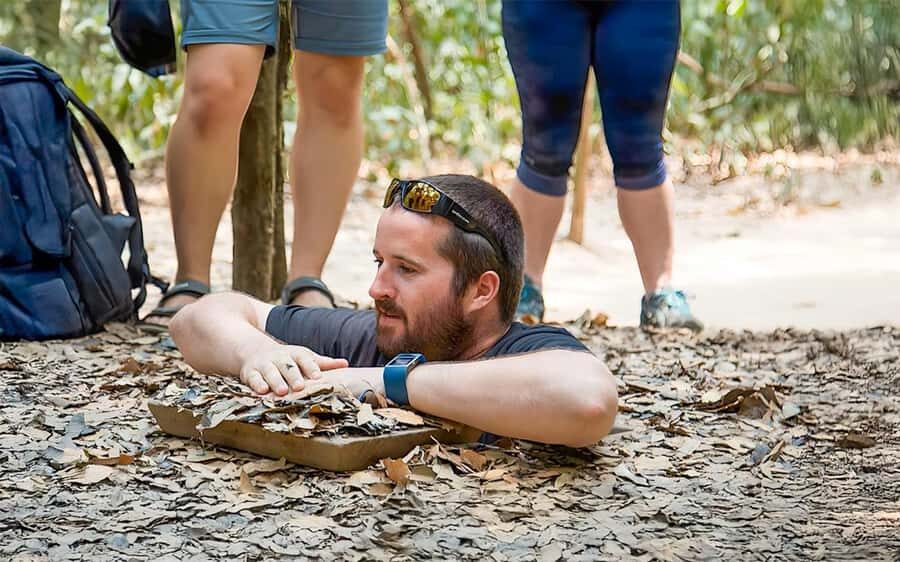
The optional crawl: what it feels like and how to decide
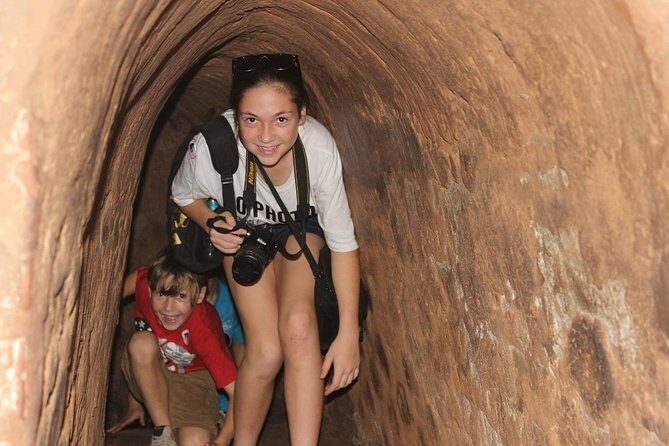
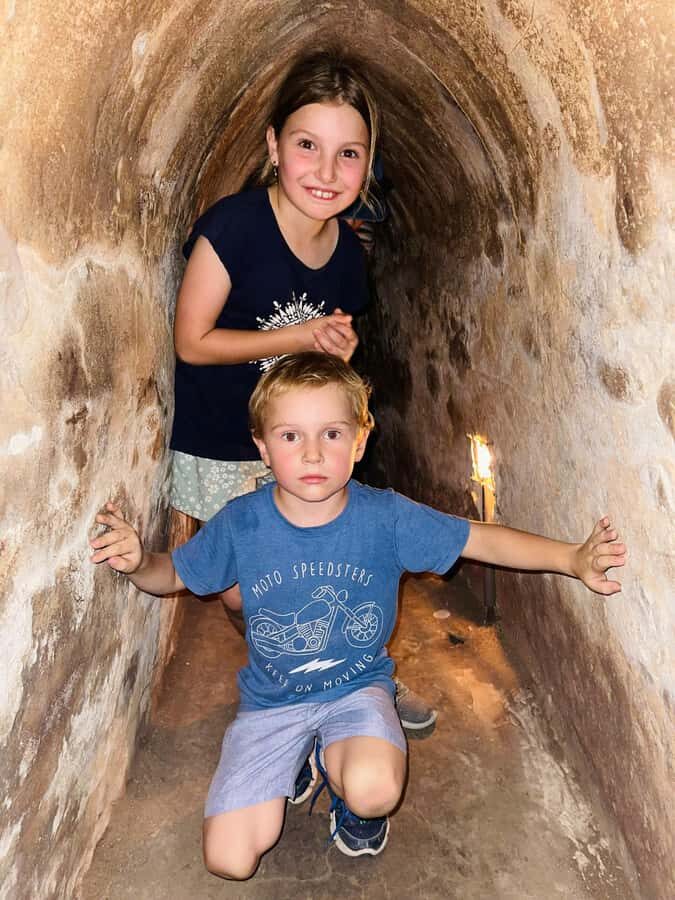
You’ll get the option to crawl through an original tunnel section. The exact length and layout can vary by preserved segment, but the experience is intentionally tight and low. Some guides and operators describe it as manageable for many people when the tunnel is short and lit, but the “not suitable for claustrophobia” warning still holds for a reason.
If you’re considering the crawl, come prepared in a practical way:
- wear comfortable shoes with grip
- dress in clothes you can move in without worrying about getting tangled
- have a water-ready plan for the heat outside
One helpful nuance: the crawl is described as optional. So you can still do the rest of the guided experience even if you choose not to go into the tight section.
Still, decide honestly. You don’t want to white-knuckle your way through it. If the idea of being low, narrow, and underground makes you anxious, skip the crawl and let the guide explain what you’re seeing. That can be the best “value” choice for your own comfort.
Weapons displays and war stories: making sense fast without feeling lost

Half-day tours have a trick. If they’re poorly run, they become a checklist. This one tries to avoid that by using the guide’s stories to add structure.
You’ll hear Vietnam War stories firsthand through your English guide, connecting what you see in the tunnels to broader tactics and survival needs. Some guides also add cultural and everyday-life context—how people lived, what the spaces were used for, and what daily routines looked like under pressure.
That’s why certain guides stand out in feedback: people mention guides who are especially good at answering questions, keeping the pace clear, and maintaining an engaging tone. Names that pop up include Khoa, Lenny, Bao, Robert, Rick, and Khang, and the common thread is how they make details feel connected instead of random.
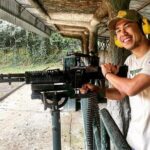
You may also run into optional add-ons depending on how your day is scheduled. Some versions include a stop at a local workshop making mother of pearl artwork, and a few schedules mention a shooting-range experience where AK-47 shooting is available for an extra cash purchase with Vietnamese dong. If you want these, confirm your exact schedule before you go—what’s available can vary.
Other Vietnam War history tours from Ho Chi Minh City




Morning vs afternoon and small vs big groups: choosing your day
This is where you can actually optimize value. You get two departure windows:
- Morning: approx 7:30–14:30
- Afternoon: approx 12:30–19:30
And two group sizes:
- Small group: max 16 people
- Big group: up to 35 people
Small groups usually mean you get more face time with the guide and quicker access if you have questions. Big groups tend to be better for price and for meeting other people, but you should expect a more “group pace” feeling.
Either choice can work. If you’re the type who likes to ask follow-up questions (and actually get answers), lean small. If your priority is efficiency and you’re happy letting the guide run the script, a larger group is usually fine.
One more practical point: pickup times are approximate, and punctuality matters. If you arrive late (the tour notes a strict cutoff if you’re within 10 minutes late), your booking can be canceled with no refund—so set a buffer when you get picked up.
What you get for the money: price, inclusions, and the real bargain
At about $16 per person, this tour feels like a strong deal because the bundle is substantial. You’re paying for:
- hotel pickup and drop-off (as per your selected option)
- air-conditioned van/bus/limousine transport
- Cu Chi entrance ticket
- English-speaking guide
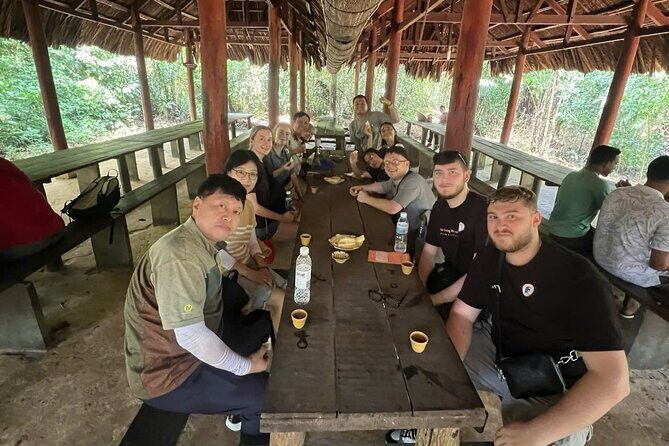
- tapioca and hot tea
- snack, plus bottled water
- wet tissue
Lunch is not included, so you’ll want to plan around that if you’re doing the morning departure (and you want a proper meal later). For the afternoon departure, you might find yourself eating dinner after the tour.
Here’s the balanced view: this price signals that the tour is designed to run efficiently. You won’t be doing multiple long stops or spending all day in one place. You’re here for a focused war-history experience, guided and structured. If that matches your goals, the cost-to-time ratio is excellent.
Also note: if you travel on certain holiday dates, there’s a surcharge of 100,000 VND payable on-site. If your travel dates land on one of those periods, budget for it so the day stays stress-free.
Comfort and packing: the stuff that makes the crawl bearable
You don’t need fancy gear, but a few basics matter a lot. Bring:
- comfortable shoes
- hat
- camera
- water
- comfortable clothes
And skip smoking (it’s not allowed).
Heat is a real factor in Vietnam, and you’ll appreciate the water and tea provided. Still, I recommend you take your own hydration seriously because you’ll be spending time moving around above ground before and after any underground section.
Photography is possible, especially outside and in the displays. For underground parts, lighting and space can limit what you can capture, so aim for memories first and let photos be a bonus.
Should you book Cu Chi Tunnels with a guided half-day plan?
Yes, if you want a short, structured war-history experience with an English guide, built-in transport, and a chance to see how the tunnels were used. The best reason to book this specific style of tour is the balance: you get tunnel access plus context without losing your whole day to logistics.
Skip it (or at least rethink the crawl) if claustrophobia is an issue. Also, if you want a laid-back, no-pressure visit, this one may feel intense because the site is packed with war-era details and the guide’s storytelling is direct.
If you’re fitting this into your Ho Chi Minh City stay, this is a smart way to add real on-the-ground context—especially if you’re also visiting related museums like the War Remnants Museum afterward.
FAQ
How long is the Cu Chi Tunnels guided tour?
It runs as a half-day trip. The morning tour is approximately 7:30 AM–2:30 PM, and the afternoon tour is approximately 12:30 PM–7:30 PM.
What’s included in the tour price?
Included are hotel pickup and drop-off (based on your option), air-conditioned transportation, the Cu Chi entrance ticket, an English-speaking guide, tapioca and hot tea, a snack, bottled water, and wet tissue.
Is crawling through the tunnels required?
No. Crawling through a preserved tunnel section is described as optional.
What group sizes are available?
There’s a small group option with a maximum of 16 people, and a larger group option with up to 35 people.
Are there extra costs on certain dates?
Yes. A holiday surcharge of 100,000 VND applies for travel on 01–03/02/2025, 29/04–02/05/2025, 02/09/2025, and 31/12–01/01/2026.
What should I bring, and is smoking allowed?
Bring comfortable shoes, a hat, a camera, water, and comfortable clothes. Smoking is not allowed.