REVIEW · HO CHI MINH CITY
Private Tour – Cu Chi Tunnels with English Speaking Tour Guide
Book on Viator →Operated by Saigon Tours · Bookable on Viator
Underground Vietnam hits different. This private Cu Chi Tunnels trip is a clean, well-paced way to see how the underground war worked, with an English-speaking guide, hotel or airport pickup, and a flexible start time.
I really like the “just your group” setup: private car/minivan, included entrance, and a guide who can tailor the pace to your comfort level. I also like the way the visit isn’t only about tunnels; you’ll crawl through preserved sections, spot wartime traps, and look across rice fields and blast craters that still shape the landscape today.
One thing to plan for: you’ll likely crawl through narrow tunnel space, so if you dislike confined areas, it can feel uncomfortable.
In This Review
- Quick Hits: What Makes This Private Cu Chi Tour Work
- Getting Picked Up in Ho Chi Minh City Without the Usual Friction
- Cu Chi Tunnels: What You’ll See and Do (Beyond the Photos)
- The tunnel crawl: the part people either love or regret
- The rice fields and blast craters: what lingers after the visit
- Your English-Speaking Guide: The Difference Between a Tour and a Story
- What’s Included: The “Real Value” Items You’ll Actually Use
- The 6-Hour Shape of the Day: Timing That Feels Like a Trip, Not a Rush
- Price and Value: Is $83 a Good Deal for Cu Chi?
- Who This Private Cu Chi Tour Suits Best
- Booking Smart: When to Lock In and What to Expect
- Should You Book This Private Cu Chi Tunnels Tour?
- FAQ
- How long is the Cu Chi Tunnels private tour?
- What does the price include?
- Is this tour private?
- Where are you picked up?
- Do I need to pay entrance fees?
- What should I expect to do at Cu Chi?
- What food and drinks are provided?
- What is not included?
- Do you offer last-minute bookings?
- Is cancellation allowed, and does weather affect the tour?
Quick Hits: What Makes This Private Cu Chi Tour Work
- Private, small-world feel: only your group goes, so you’re not squeezed into a long bus-and-hurry rhythm
- English-speaking guidance: guides like Chien or Dingo are repeatedly praised for clear communication and lively storytelling
- You don’t just look: you enter and crawl through a tunnel section, plus see trap systems and preserved areas
- War meets everyday life: you’ll notice rice fields nearby, including areas that sit over the tunnel network
- Included comfort touches: bottled water and a light snack (tapioca and tea) help you stay functional for the rest of the day
Getting Picked Up in Ho Chi Minh City Without the Usual Friction
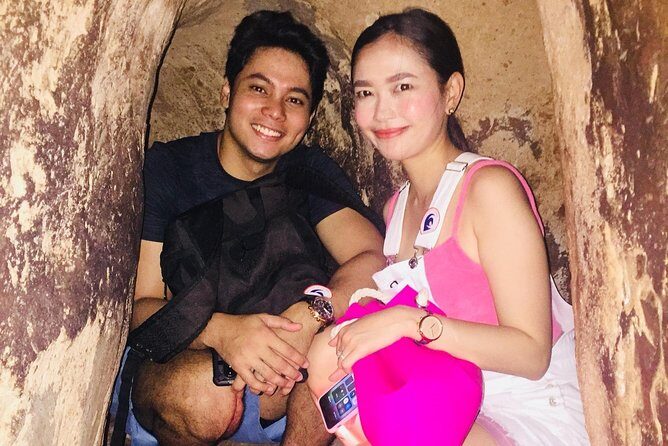
Most people do Cu Chi as a half-day add-on, which often turns into: meet at a set time, ride in a crowded vehicle, and then get rushed. This experience is built to feel calmer from the start.
You’re picked up from your hotel in Ho Chi Minh City center, or directly from the airport, and the transfer is handled by the tour’s own private car/minivan. That matters because it reduces the two most annoying parts of day trips in Vietnam: hunting for the right meeting point and losing time to traffic with random drop-offs.
The timing is also flexible. The tour is described as allowing you to start at a time that suits your day, which is a big deal if you’re juggling jet lag, late breakfast plans, or a morning in District 1 before heading out.
Also worth noting: you’ll receive a mobile ticket, which tends to be easier than keeping track of printed paperwork while you’re on the move.
Other private Cu Chi Tunnels tours we've reviewed in Ho Chi Minh City



Cu Chi Tunnels: What You’ll See and Do (Beyond the Photos)
Cu Chi’s underground system wasn’t just “a tunnel.” It was a whole living network—routes, hiding spots, and survival tricks—built to support people under pressure. In this tour, you’re guided through the story in a way that stays practical, not abstract.
Here’s what you can expect when you reach the Củ Chi District tunnel area:
- A guided walk-through of the tunnel network concept, including how connecting tunnels helped people move and hide
- Wartime traps and defensive features, shown as part of the system rather than scary props
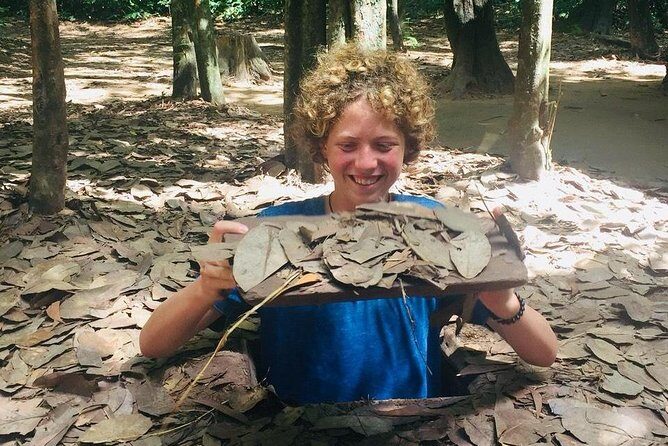
- Entering and crawling through one of the tunnels, so you get a physical sense of how tight and low the space is
- Time in preserved tunnel sections, described as among the best kept examples in the area
- A look at nearby rice fields, where parts of the farmland sit over the tunnel network
- Views of overgrown blast craters, reminders of aerial bombing campaigns
That mix is the point. If you only focus on crawling, you miss the larger design. If you only focus on the war story, you lose the “how people actually survived” aspect. This tour tries to connect both.
The tunnel crawl: the part people either love or regret
The most memorable moment is usually the crawl itself. You’ll go inside and move through a tunnel section, which makes the experience real fast. It’s also the moment where comfort matters most.
Even with good guidance, you should assume the space can feel cramped. If you’re traveling with kids or someone who doesn’t handle tight spaces well, I’d treat the crawl as the deciding factor and ask your guide about pacing before you commit.
The rice fields and blast craters: what lingers after the visit
One of the more interesting parts is stepping back to see what’s above ground now. You’ll observe villagers working the nearby rice fields, including areas positioned over parts of the tunnel system. That contrast helps you understand why the area has continued to function as a place to live, not only as a war site.
And then there are the overgrown blast craters from aerial bombing campaigns. The craters aren’t just “history scenery.” They show how the land itself was impacted, then reclaimed in time—so you get a sense of how long the effects last.
Your English-Speaking Guide: The Difference Between a Tour and a Story

On private tours, your guide is the product. You’re not just paying for transportation. You’re paying for someone to explain what you’re seeing and keep the pace comfortable.
This tour includes an English-speaking guide, and the strongest praise in the available feedback centers on communication and storytelling. Guides mentioned by name include Chien and Dingo (and also one review that says Chen), with multiple notes about strong English, good humor, and clear explanations that make the tunnels easier to understand.
A couple of specific strengths show up again and again:
- Clear explanations of Vietnam’s war context, delivered in a way that’s easy to follow
- Humor and a light tone that keeps the day from feeling heavy the whole time
- Smart pacing, including helping avoid or reduce crowd pressure and choosing routes that keep you moving
One review also mentions that a guide made sure you could visit multiple tunnels and avoid missed crowd bottlenecks. You shouldn’t assume that exact number of tunnels every time, but it signals that guides are paying attention to how your time is spent.
If you care about accuracy and context, the guide’s role here is huge. The tunnels can look similar from the outside, but an experienced guide helps you see the differences and understand why specific features mattered.
Other guided tours in Ho Chi Minh City






What’s Included: The “Real Value” Items You’ll Actually Use
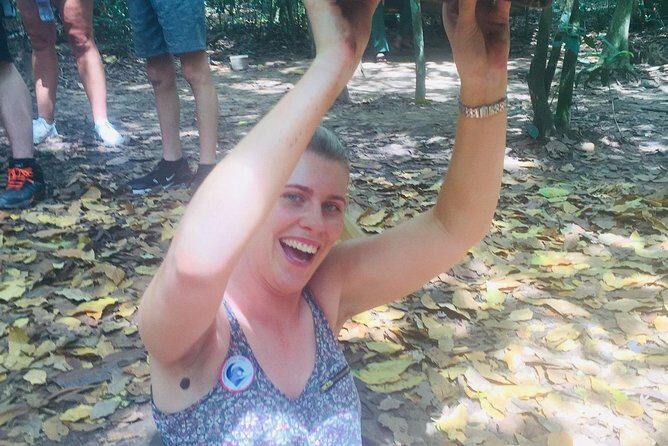
This is one of those tours where “included” isn’t just fine print—it covers the things that usually add up on day trips.
Included:
- English speaking tour guide
- Private car/minivan
- Entrance fee
- Pick up and drop off at your hotel/residence
- Bottled water
- Light snack at Cu Chi (tapioca and tea)
Admission is included for the tunnel stop, and you’re also told that at the Ho Chi Minh City pickup point there’s no ticket admission fee listed—so you’re not hit with extra payments just to start the day.
That snack detail sounds small until you’re in the heat with a tight schedule. Tapioca and tea are simple, easy energy while you’re doing the physical crawl and walking.
What’s not included:
- Bullet fee at a Cu Chi shooting range (if you choose to do it)
- Tips and personal expenses
If you want to shoot, it’s smart to set aside extra cash ahead of time so it doesn’t interrupt the flow of the tour.
The 6-Hour Shape of the Day: Timing That Feels Like a Trip, Not a Rush
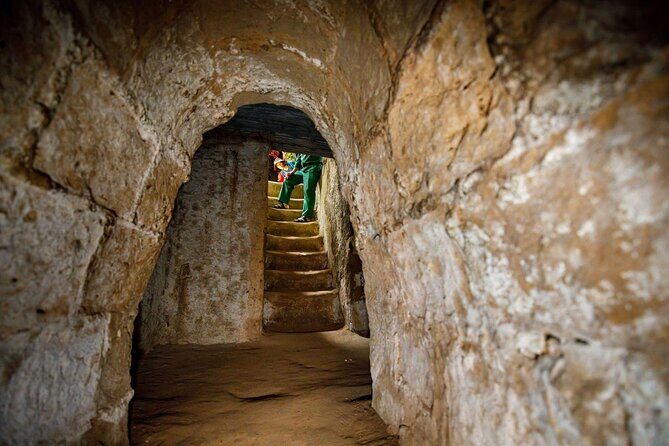
The tour runs about 6 hours. For Ho Chi Minh City, that’s a sweet spot: long enough to get a meaningful tunnel experience, short enough that you’re not sacrificing your whole day.
Also, because pickup can be from your hotel or the airport, you can line this up without breaking your travel rhythm. If you’re landing and want to get outside the city quickly, pickup from the airport helps.
If you’re staying in central Ho Chi Minh City, pickup from the city center reduces wasted time. And since the tour is private, you’re not forced into a fixed group cadence that ignores your pace.
Price and Value: Is $83 a Good Deal for Cu Chi?
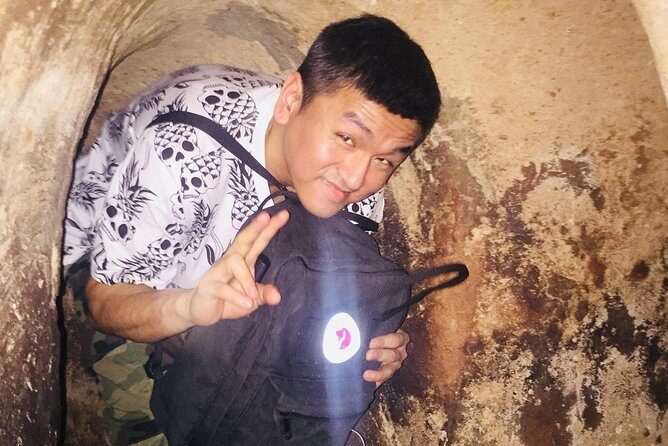
At $83 per person for a private tour, the value comes from what’s bundled.
You’re getting:
- a dedicated English guide
- private transport (not a shared shuttle)
- entrance fee
- hotel/airport pickup and drop-off
- water plus a light snack
So you’re not only paying to see tunnels. You’re paying to have the logistics handled—especially pickup, which is the hidden cost of many day trips. When you add those pieces up, the price starts to make sense for couples, small families, and friends who want a day that doesn’t feel chaotic.
It also helps that the tour supports flexible start times and is described as personalized to your wishes. That can translate into fewer “we can’t stop here” moments, which is where extra value shows up in real life.
Two practical notes on value:
- If your group is willing to pay a little extra to avoid crowds and waiting, private is usually the better match for Cu Chi.
- If you’re extremely budget-focused and don’t mind group logistics, shared options might be cheaper—but you’ll trade away pace control and direct guide attention.
Who This Private Cu Chi Tour Suits Best
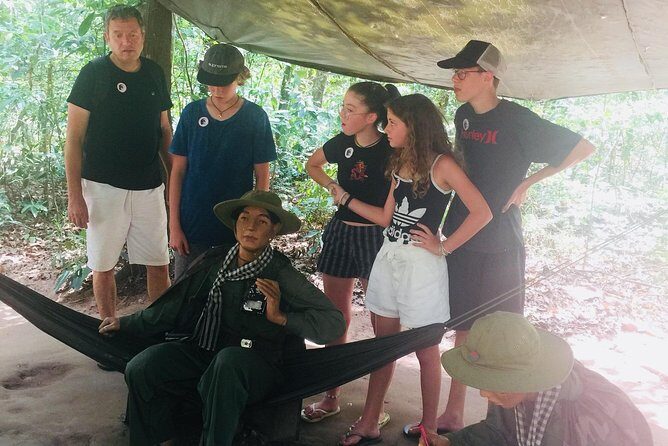
This tour is a strong fit if:
- you want a private experience with your own guide and car
- you prefer an English-speaking explanation rather than trying to piece things together on your own
- you’re curious about the tunnel system as both engineering and survival strategy
- you like having time to move at a human pace, not a schedule-driven stampede
- you want basic comfort included (water, tapioca, tea)
It’s also a decent option for people who want a guided history context without drowning in lectures. The guide-led approach helps connect what you see—traps, tunnels, rice fields, craters—with why it matters.
Who should think twice:
- Anyone who doesn’t handle confined spaces well should treat the tunnel crawl as the deciding factor.
- If you expect only outdoor viewpoints and wide-open walking, you might feel disappointed by how physical the experience can be.
Booking Smart: When to Lock In and What to Expect

Booking timing can matter with popular sites and private schedules. The experience notes that it’s commonly booked around 49 days in advance, but it also says you can receive last-minute booking.
If you book within 1 day of travel, you won’t always get instant confirmation, but you should still expect confirmation as soon as possible based on availability.
Once booked, you’ll get confirmation and a mobile ticket, which makes it easier on arrival.
One more practical reality: the experience states it requires good weather. If weather is poor, the tour can be canceled and you’ll be offered a different date or a full refund. So if you’re building a tight itinerary around one specific day, keep one backup option.
Should You Book This Private Cu Chi Tunnels Tour?
If you want Cu Chi to feel like a focused trip with clear guidance, I think this one is a solid choice.
Book it if you care about:
- a private setup with your own English-speaking guide
- seeing real features like traps and a tunnel crawl, not just a quick photo stop
- having pickup and logistics handled so you can spend your energy on the experience
Skip or reconsider if:
- you strongly dislike cramped spaces or expect everything to be comfortable and roomy
- you’re hoping to do only optional extras (like the shooting range) and want a low-cost, bare-bones day (since bullet fees aren’t included)
For most people, the combination of private transport, entrance, and the guide-led explanations makes the $83 price feel more like value than just cost.
FAQ
How long is the Cu Chi Tunnels private tour?
It runs about 6 hours (approx.).
What does the price include?
The price includes an English-speaking tour guide, private car/minivan, entrance fee, hotel/residence pickup and drop-off, bottled water, and a light snack (tapioca and tea) at Cu Chi.
Is this tour private?
Yes. It’s a private tour, meaning only your group participates.
Where are you picked up?
You can be picked up from your hotel in Ho Chi Minh City center or from the airport.
Do I need to pay entrance fees?
Entrance fees are included for the Cu Chi part of the tour. A ticket admission is listed as included for the tunnel stop.
What should I expect to do at Cu Chi?
You’ll discover the tunnel network, see traps used during the war, and you’ll enter and crawl through one of the tunnels. You’ll also observe nearby rice fields over the tunnel area and see blast craters from bombing campaigns.
What food and drinks are provided?
You’ll get bottled water plus a light snack at Cu Chi, with tapioca and tea.
What is not included?
Bullet fees at the Cu Chi shooting range are not included, and you’ll also want to budget for tips and personal expenses.
Do you offer last-minute bookings?
Yes. The experience notes that last minute booking is possible. If you book within 1 day of travel, confirmation is received as soon as possible based on availability.
Is cancellation allowed, and does weather affect the tour?
Free cancellation is available up to 24 hours in advance for a full refund. The tour requires good weather, and if it’s canceled due to poor weather, you’ll be offered another date or a full refund.