REVIEW · HO CHI MINH CITY
From Ho Chi Minh: Cu Chi Tunnels – A Complex Tunnels Network
Book on GetYourGuide →Operated by Trip in Vietnam · Bookable on GetYourGuide
War history goes underground here. Cu Chi Tunnels is fascinating because it shows how Vietnamese guerrillas turned the earth into a working system, not just a battlefield story, and I especially like the clear, scenario-based explanations from guides such as James or Steven, plus the wartime cooking stop at the Hoang Cam stove with tapioca and tea. One thing to consider: the tunnel crawl can be seriously uncomfortable and scary, especially if conditions are muddy or you don’t love tight spaces.
This is a good 6-hour add-on from Saigon when you want more than photos. You’ll get picked up around central Saigon, then spend time moving through the underground network—rooms, hospital spaces, and even areas tied to weapons production—along with short documentaries showing real wartime footage. If you prefer big, airy attractions and hate being squeezed, go in with your expectations set.
The price is also pretty straightforward: $30 per person covers the main tour elements (guide, water, and a light snack). But there are a couple of common extras—going down the tunnels can have an additional surcharge, and if you choose the shooting range, there’s a bullet fee—so budget a bit beyond the headline rate.
In This Review
- Key highlights you’ll actually care about
- From Saigon to Cu Chi: the 6-hour rhythm
- Underground city tour: rooms, hospitals, and the “spider-web” logic
- Camouflage lessons: leaves, traps, and hidden refuge ideas
- Crawling the narrow tunnels: what you should expect and how to prep
- Documentary footage: real wartime scenes that connect everything
- Tapioca on the Hoang Cam stove: a small meal with real meaning
- Shooting range with AK-47 and M-60: optional, but plan for costs
- Price and value: what $30 really covers
- What this tour is best for (and who should skip it)
- Should you book Cu Chi Tunnels from Ho Chi Minh City?
- FAQ
- How long is the Cu Chi Tunnels trip?
- What is the price per person?
- What’s included in the tour price?
- Do I need an English-speaking guide?
- Is the tunnel crawl included?
- Is there a shooting range activity?
- What is the bullet fee for the shooting range?
- What food will I get on the tour?
- Where do they pick you up and drop you off?
- Is free cancellation available?
Key highlights you’ll actually care about
- Underground city setup: rooms, hospital areas, and a weapons-factory zone help you understand how the tunnels functioned
- Camouflage tactics you can visualize: leaf camouflage and hidden refuge ideas are explained in plain terms
- Documentary time: short wartime footage segments help connect the tunnel layout to the fighting
- Narrow-tunnel crawl: the experience is physically intense, which is exactly why it sticks
- Tapioca with the Hoang Cam stove: a small but memorable taste built around a wartime need
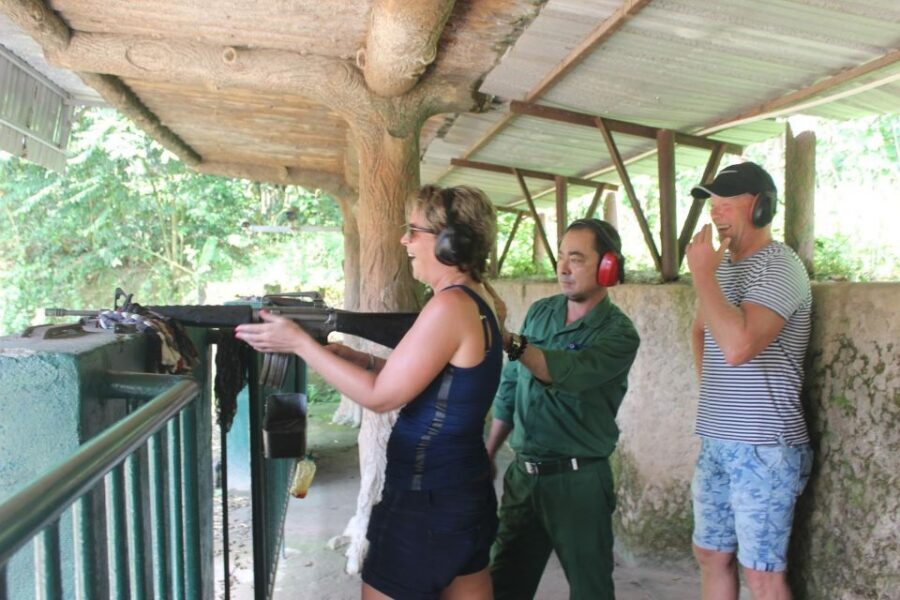
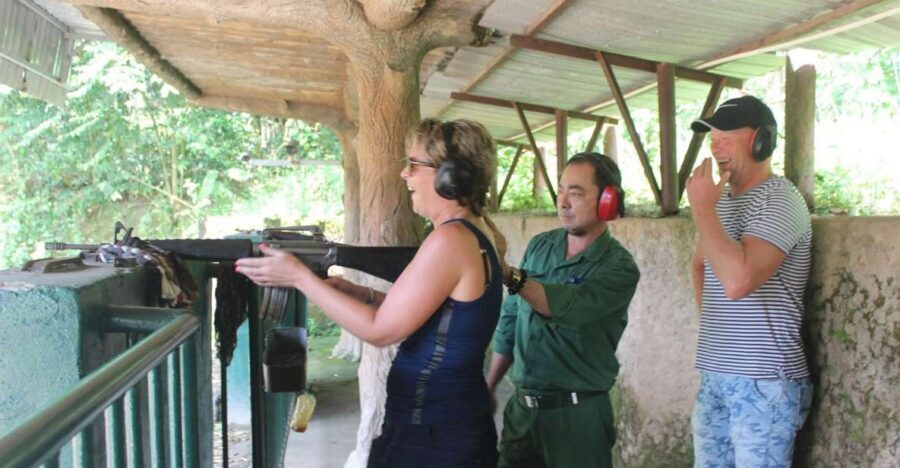
- Optional shooting range: AK-47 and M-60 are part of the experience, but bullets cost extra
From Saigon to Cu Chi: the 6-hour rhythm
This trip is designed as a full half-day that starts with pickup in central Saigon. In practice, you’ll meet your guide at the hotel area before heading out for the Cu Chi Tunnels site. The whole experience runs about 6 hours, which is a sweet spot: long enough to see the underground complex and watch documentary footage, but not so long that you feel trapped in transit all day.
Why this timing works: most people in Ho Chi Minh City want one memorable “history stop” without giving up the rest of their schedule. Cu Chi fills that role well. You can pack it in on a day you’re already exploring the city center, then still have time afterward for a meal or a relaxed evening.
If you’re sensitive to discomfort, it helps to know what’s coming. Even before the tunnels, the tour focuses on survival tactics—camouflage and secrecy—so your day won’t be casual walking. It’s active, and there are parts that feel like controlled chaos (in a good way) as you move from viewing areas to the documentary portion to the crawl option.
If you're still narrowing it down, here are other tours in Ho Chi Minh City we've reviewed.


Underground city tour: rooms, hospitals, and the “spider-web” logic
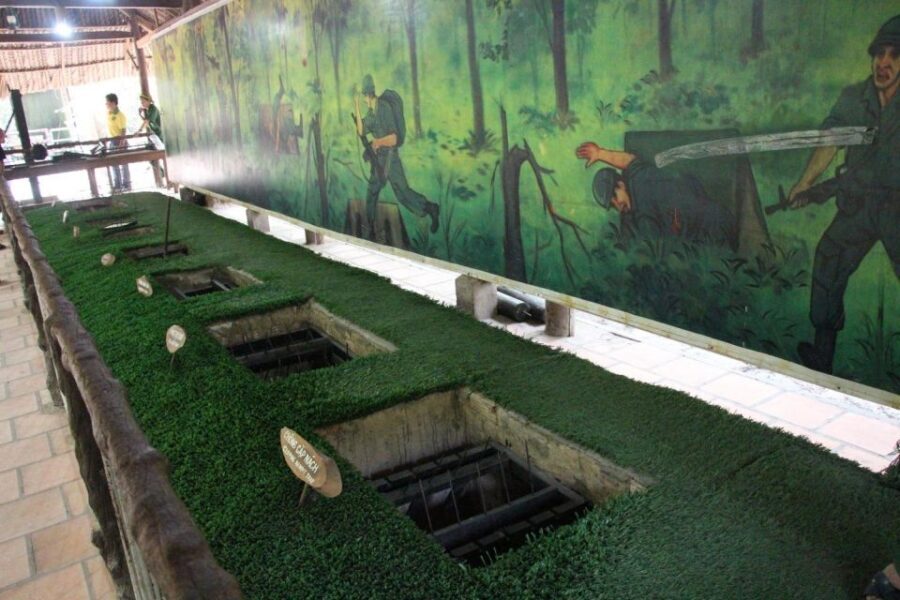
The Cu Chi Tunnels area is presented as an underground city: a complex web of passages and hidden spaces. The tour doesn’t just point out tunnels and call it a day. You’ll see practical sections that connect the space to how guerrillas lived and operated—rooms, hospital-type areas, and a weapons factory area are all part of what you’ll explore.
This is where the experience becomes more than “Vietnam war site.” The layout helps you understand that the tunnel system wasn’t one long hallway. It was built for movement, storage, treatment, and staying hidden. You’ll also hear how guerrillas resisted and fought from below ground, which makes the underground network feel like a tool kit rather than a museum exhibit.
A drawback to keep in mind: the more you grasp the system, the more the physical reality hits. Narrow passages and hidden spaces can make you anxious even if you’re not claustrophobic. If you’re the type who needs lots of breathing room to feel calm, consider pacing yourself and listening closely to your guide about what to do and where to stop.
Camouflage lessons: leaves, traps, and hidden refuge ideas
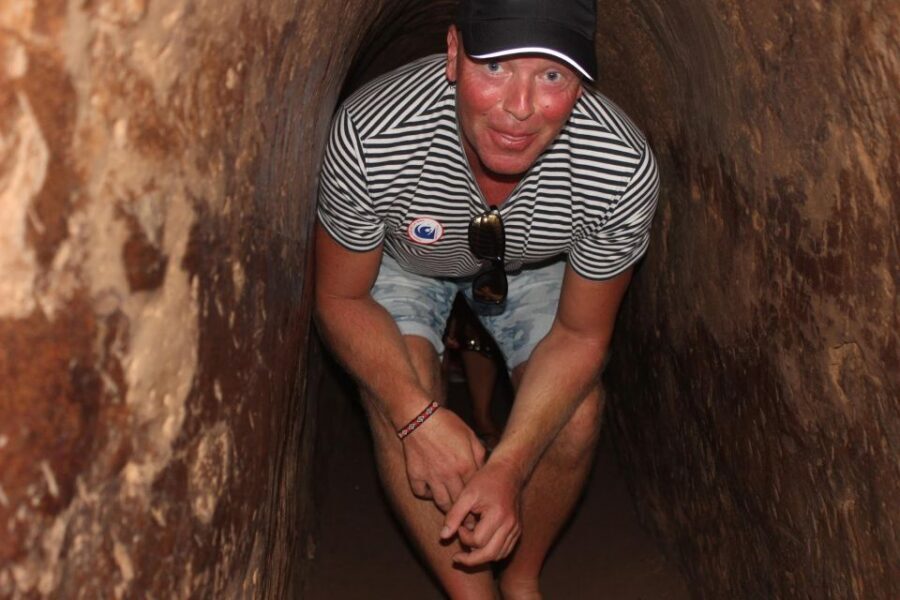
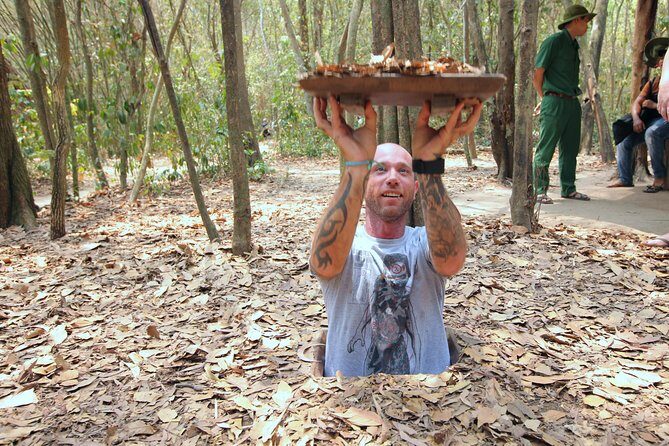
One of the most memorable parts of the day is how the guide explains camouflage and secrecy in terms you can picture. Leaf camouflage is specifically highlighted, and you’ll learn the concept of how guerrillas used cover to avoid detection.
This matters because it changes how you look at the tunnels. Instead of seeing “holes in the ground,” you start seeing a communications and survival strategy. You’ll also hear about secret refuge concepts—places to retreat, regroup, and stay out of sight—so the tunnel network becomes a decision-making system, not just shelter.
Your guide also covers traps and war scenarios in an approachable way. People often come to Cu Chi expecting history facts, but what lands better is the cause-and-effect story: why certain spaces existed, how movement worked, and why secrecy was worth the effort.
Crawling the narrow tunnels: what you should expect and how to prep
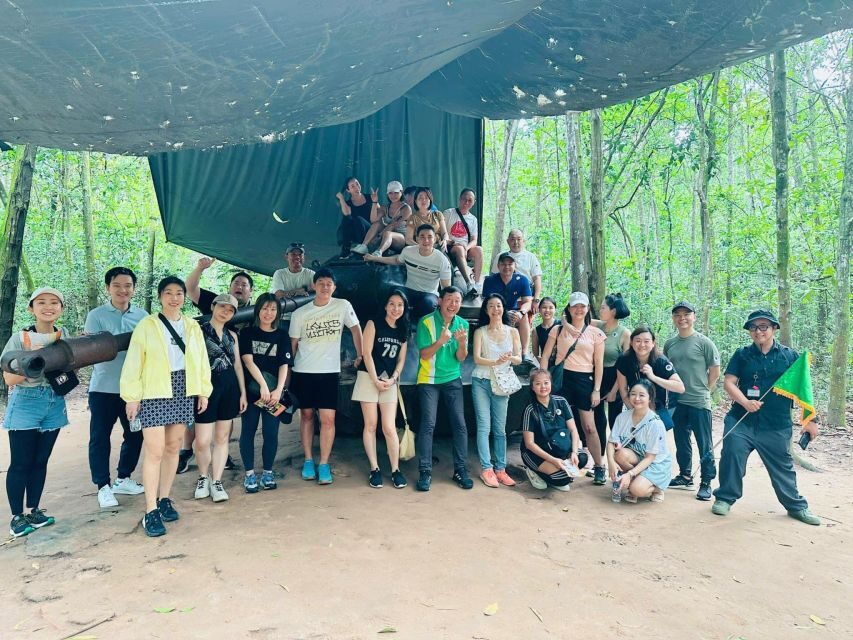
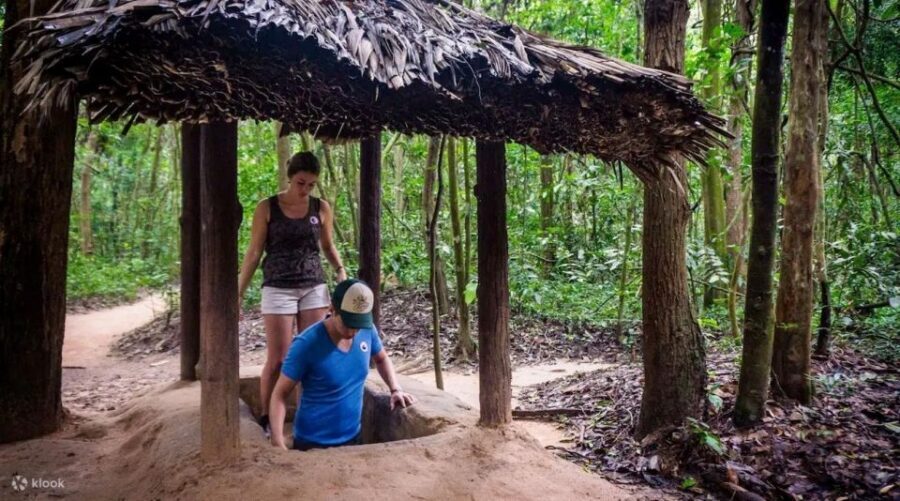
The star attraction is the narrow-tunnel experience, where you can crawl through very tight passages. This is the moment that turns the “underground city” from information into a physical memory. It’s also the part that tends to create the biggest range of reactions, from thrilled to terrified.
One important detail: the information you were given notes a surcharge if you want to go down to the tunnels. At the same time, the highlights promise you can crawl through narrow tunnels. Translation: the basic tour experience may include many underground areas, while the actual tunnel crawl option can have extra cost. If you care about crawling, ask your guide or confirm at booking so you’re not surprised later.
How to prep (without overcomplicating it):
- Wear something you can move in.
- Expect it to feel tight, low, and slow.
- If you’re prone to panic in confined spaces, go in with a calm plan and don’t force it.
If you do choose to crawl, do it for the lesson, not the bragging rights. It’s intense, but that intensity is what makes the history make sense.
Documentary footage: real wartime scenes that connect everything
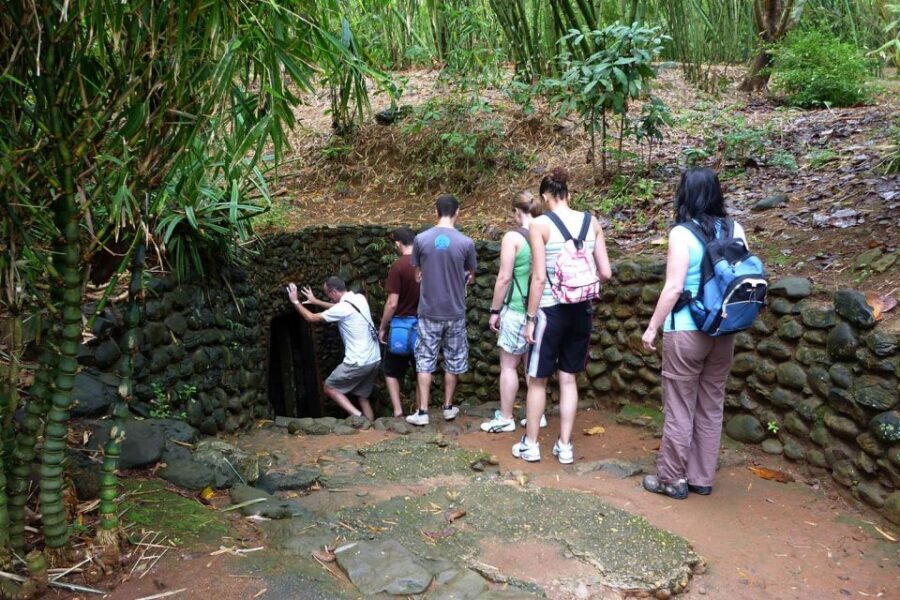
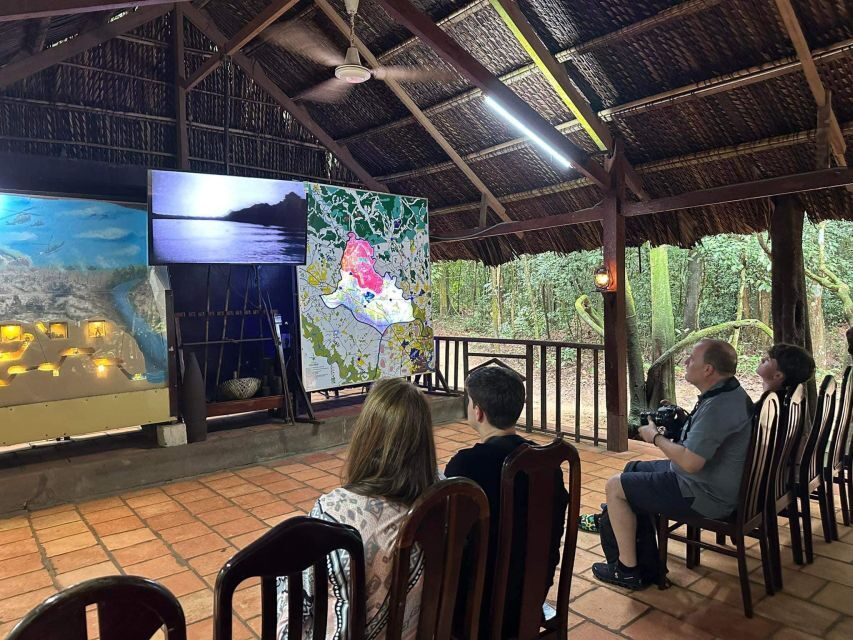
Between the physical parts of the tour, you’ll watch short documentaries with authentic wartime footage recorded by cameramen. This segment helps you connect what you’re seeing above ground and below ground to the fighting.
Why this is valuable: tunnels can feel abstract until you’ve got a visual timeline in your head. The documentaries add context to the tunnels’ purpose—how the guerrillas operated, how the war looked on the surface, and why the underground strategy mattered.
It also gives your body a break. After moving through underground spaces and learning about hidden systems, documentary time lets you recover while still staying mentally engaged. If you’re the type who likes your history with visuals, this part will do real work for you.



Tapioca on the Hoang Cam stove: a small meal with real meaning
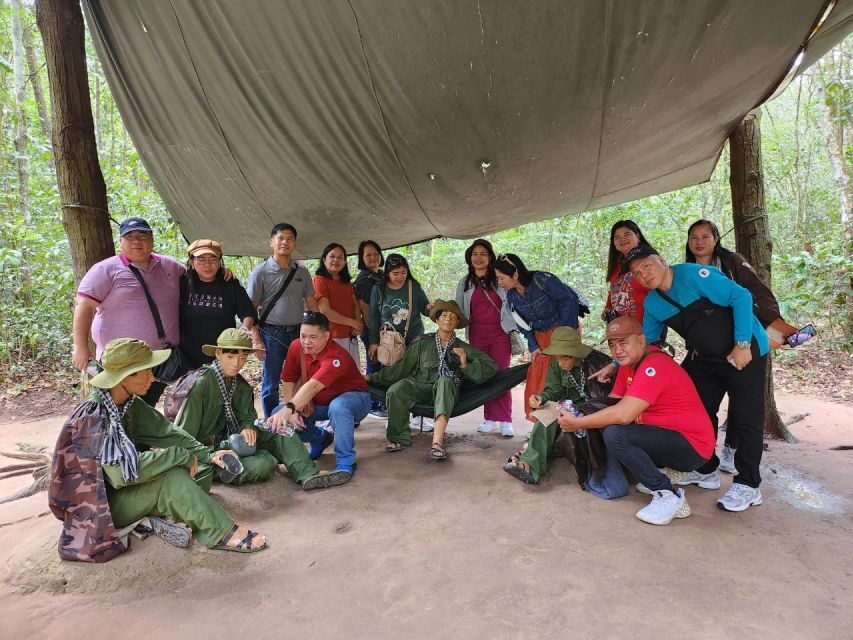
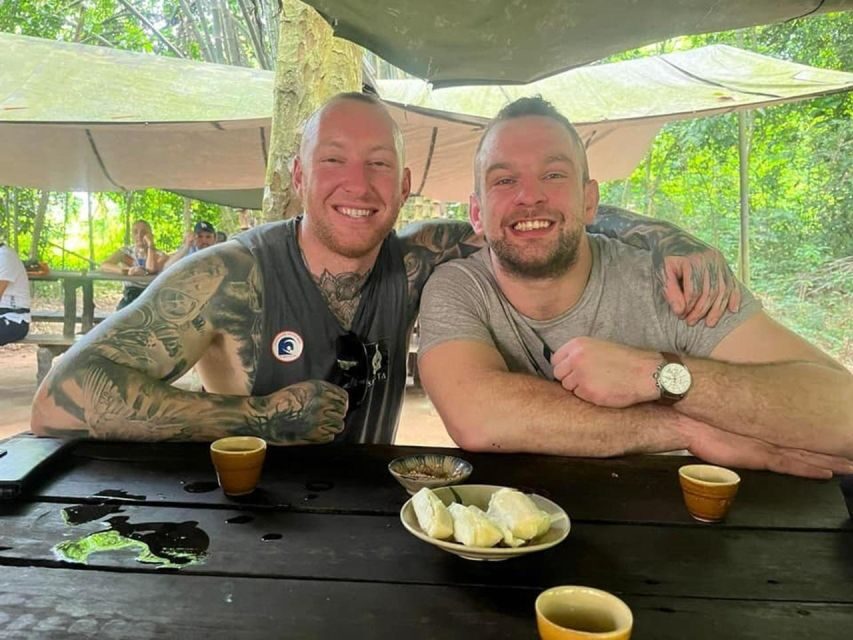
Yes, you’ll eat. But this isn’t a standard tourist snack. You get a light snack with tapioca and tea, and the tapioca is cooked on the Hoang Cam stove, a special stove designed to hide smoke.
That’s a powerful detail because it links food to survival. In wartime conditions, food isn’t just comfort—it’s logistics, timing, and avoiding attention. Eating something simple like tapioca after hearing about leaf camouflage and secret refuge ideas makes the day feel connected, not chopped into random “activities.”
Also, this is one of the included value points. The tour provides bottled water and that light snack, so you won’t be scrambling for meals halfway through. If your schedule is packed in Saigon, it’s a practical relief.
Shooting range with AK-47 and M-60: optional, but plan for costs
Some versions of the experience include the chance to shoot with real bullets and famous guns like AK-47 and M-60. The important part is the cost: bullet fee at the shooting range is roughly 600,000 VND for a pack of 10 bullets, and that fee is not included.
Here’s how I’d think about it for value. If you’re curious about the mechanics of the range and you’re comfortable with extra fees, it can be a memorable add-on. If you’re on a tighter budget, you can treat it as optional and keep your day focused on the tunnels, documentaries, and history explanation, which are the core of the tour.
One more practical note: since this is a separate fee, don’t assume you’ll “just do it” without thinking. If you want it, budget it upfront so you’re not deciding on the spot when you’re already tired.
Price and value: what $30 really covers
The listed price is $30 per person, and for that you get several things that make the day smoother:
- pickup and drop-off at central Saigon
- an English-speaking tour guide
- bottled water
- a light snack (tapioca and tea)
That’s solid value for a 6-hour excursion, because the guide and transport are the big cost drivers. The best part is that the tour isn’t only about the physical site—it’s also about explanations, war scenarios, and documentary context.
Where costs can rise:
- going down to the tunnels may involve an extra surcharge
- shooting range bullets cost extra (about 600,000 VND per pack of 10)
Language matters too. The tour supports multiple languages, and an English-speaking guide is included, but other languages may involve a surcharge.
So is $30 a good deal? For many people, yes—especially if you want a guided, structured experience that includes food and water. But if your main goal is only to crawl underground and shoot, you may need to add the tunnel and bullet costs to compare fairly.
What this tour is best for (and who should skip it)
This Cu Chi Tunnels tour fits best if you:
- want a guided history experience with practical explanations
- enjoy documentaries and want context, not just objects
- are okay with the physical reality of tight spaces
It’s less ideal if you:
- strongly dislike tunnels, confined crawling, or feeling trapped
- want a relaxed, low-effort outing
- prefer to avoid added-on costs like shooting bullets
Small group or private options can make a difference here. One of the higher-scoring takeaways from recent experiences is that smaller groups often make the day feel smoother, which matters when people are moving in tight spaces and timing depends on everyone staying together.
Should you book Cu Chi Tunnels from Ho Chi Minh City?
I’d book this tour if you want one memorable, structured history day that actually explains how the tunnels worked—then lets you feel it, at least in part, through the crawl option. The combination of guide-led war scenarios, short documentary footage, and the wartime-food stop at the Hoang Cam stove gives the day more meaning than a checklist tour.
Skip or be cautious if you know you can’t handle narrow tunnels or you’d rather spend your limited time in Vietnam on things that are calmer and more spacious. Also, if the idea of extra fees for tunnel access or shooting range would stress you out, confirm what’s included for your exact booking so you can plan your budget with confidence.
FAQ
How long is the Cu Chi Tunnels trip?
The duration is 6 hours.
What is the price per person?
The price is $30 per person.
What’s included in the tour price?
Pickup and drop-off at the center of Saigon, an English-speaking tour guide, bottled water, and a light snack with tapioca and tea at Cu Chi Tunnels are included.
Do I need an English-speaking guide?
English-speaking guides are included. Other languages may require a surcharge.
Is the tunnel crawl included?
You may need a surcharge if you want to go down to the tunnels. The crawl is described as part of the experience, so it’s worth confirming what option your booking includes.
Is there a shooting range activity?
Shooting with real bullets and guns like AK-47 and M-60 is mentioned as part of the experience, but bullet fee is not included.
What is the bullet fee for the shooting range?
The bullet fee is roughly 600,000 VND for a pack of 10 bullets.
What food will I get on the tour?
You’ll have a light snack with tapioca and tea cooked at Cu Chi Tunnels, using the Hoang Cam stove.
Where do they pick you up and drop you off?
They pick you up and drop you off at the center of Saigon, with pickup coordinated in front of your hotel area.
Is free cancellation available?
Yes. You can cancel up to 24 hours in advance for a full refund.