REVIEW · HO CHI MINH CITY
Discover vietnamese Agriculture,culture ,Cuisine and Cu chi Tunnels in Saigon
Book on Viator →Operated by HCM Cooking Class · Bookable on Viator
Cu Chi tunnels meet a cooking lesson. This Saigon tour links Cu Chi Tunnels with an organic farm visit, hands-on picking, and a 4-course Vietnamese cooking class, plus hotel pickup so you skip the meetup hassle.
I love the hands-on feel throughout—your hands actually do the farm work and the cooking. I also like the small-group setup (max 15) and the consistently praised guides, including Linh, Aura, Daisy, and Suu, who keep things clear and fun.
One thing to consider is the schedule: you start around 7:30 am and you’ll be out for about 10.5 hours, so plan for a long day.
In This Review
- Key takeaways before you go
- Why This Saigon Combo Beats a Typical Day Trip
- Pickup Time, Transport Comfort, and the 10.5-Hour Reality Check
- Cu Chi Tunnels: Survival Engineering You Can Actually Picture
- Organic Farm Morning: Picking Ingredients and Learning Plant Nutrition
- The Cooking Class: 4 Courses, Real Technique, and Take-Home Recipes
- The Small Extras That Make the Day Feel Like Real Local Life
- Food and Budget: What’s Included, What’s Not, and What That Means
- Who Should Book This Tour (and Who Should Think Twice)
- Should You Book This Cu Chi + Farm + Cooking Day?
- FAQ
- What time does the tour start?
- How long is the experience?
- Is hotel pickup included?
- What’s included in the price?
- Are drinks included?
- Is there a vegetarian option?
- How big is the group?
Key takeaways before you go
- Hotel pickup and drop-off in central Saigon mean less time figuring things out
- Hands-on farm picking with a Vietnamese hat, basket, and scissors (plus jasmine tea as you start)
- 100% hands-on cooking for a 4-course meal, with certificates and recipe cards to take home
- Cu Chi Tunnels explained with a focus on how the tunnel system worked and how people survived underground
- Organic nutrition lessons tied to the plants you’re picking, not just general talk
Why This Saigon Combo Beats a Typical Day Trip
Most “one day, one place” tours in Ho Chi Minh City can feel like you’re rushing from highlight to highlight. This one is different because it stacks three big themes—agriculture, cooking, and history—into one full day in the countryside.
The value isn’t only the number of stops. It’s the pacing. You start with farming and food, then you move into the war-time survival story at Cu Chi. By the time you’re underground, it makes more sense why people needed to grow food, preserve ingredients, and use every trick available.
And you get real comfort details. You’re not left to navigate transport or carry snacks. Bottled water, snacks, coffee and/or tea, and a 4-course lunch are included. That means you can spend your energy on the experience instead of budgeting tiny purchases every time you want a drink or bite.
The tour also feels suited to first-timers because you get a broad snapshot of south Vietnam in one go—how people grow food, what they cook, and how survival shaped daily life.
Other Ho Chi Minh City + Cu Chi combo tours from Ho Chi Minh City

Pickup Time, Transport Comfort, and the 10.5-Hour Reality Check
This day runs about 10 hours 30 minutes, starting at 7:30 am. If you’re used to a slow start on vacation, you’ll want an early night the day before. Hotel pickup is included, so you don’t need to hunt for a meeting point or worry about late-arriving crowds.
You’ll travel by air-conditioned vehicle, with bottled water and coffee/tea provided along the way. The schedule matters because the countryside parts are active: farm walking, picking, and cooking all take time and energy.
Group size is capped at 15 travelers, which usually helps keep the cooking class from turning into a lecture you watch from across the room. It also makes questions easier, especially when guides connect your dish choices to the ingredients you gathered.
If you’re traveling with limited patience for long days, this might be too much in one shot. It’s not a quick hit. It’s a full immersion-style day, just structured around practical tasks: picking, cooking, and learning.
Cu Chi Tunnels: Survival Engineering You Can Actually Picture
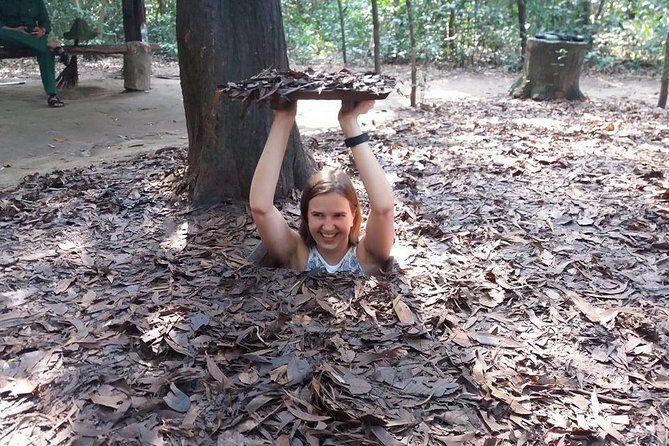
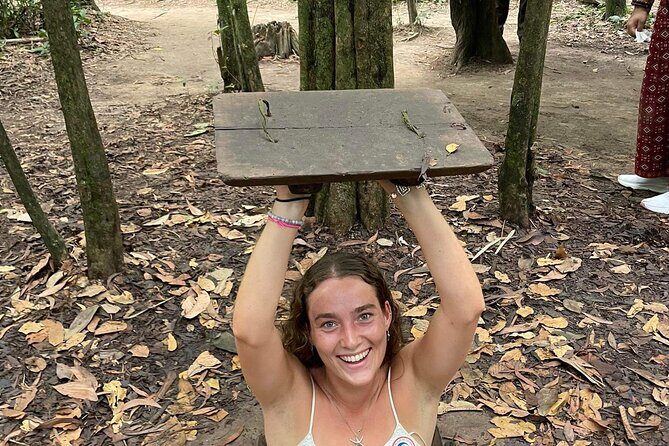
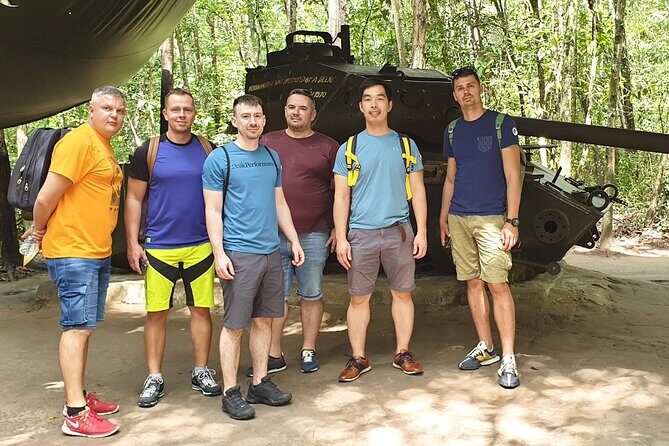
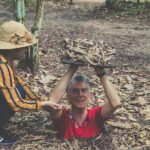
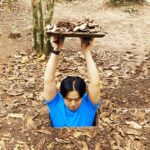
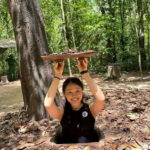
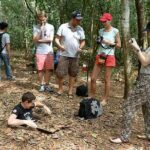
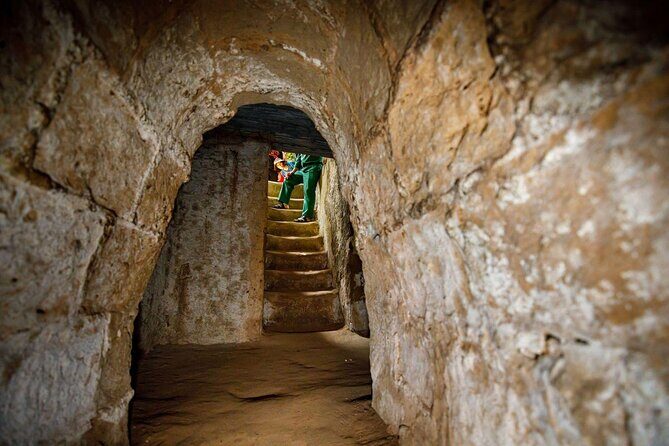
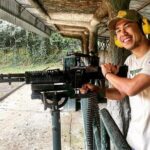
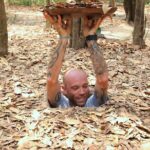
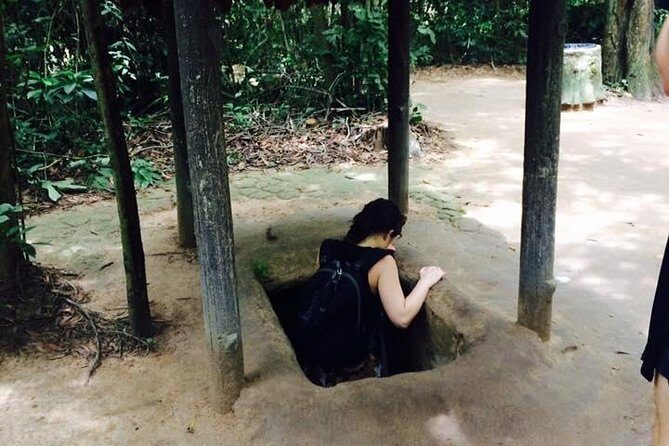
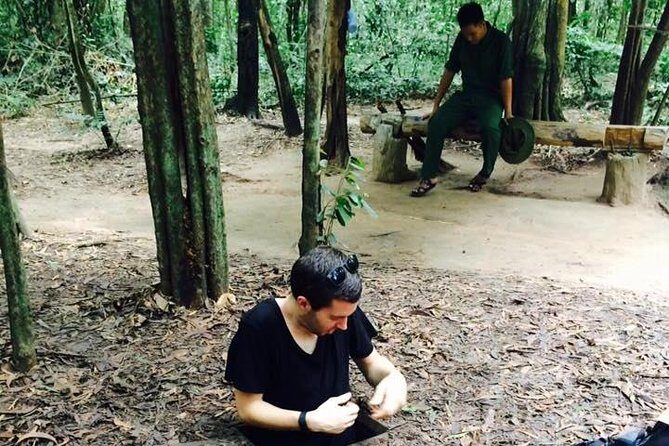
Cu Chi Tunnels are not just a photo stop here. You’ll explore the tunnels and learn how the system was constructed, with an emphasis on survival and daily problem-solving.
What I like about this approach is that it ties the tunnel story to the bigger “how did people live?” question. You’re not only hearing about conflict. You’re learning what it took to survive 20 years underground, including how people faced challenges and overcame them while hiding, moving, and continuing life under extreme conditions.
The explanation also helps you connect the history to food and local knowledge. When you later see how people ate in war time and how survival depended on clever use of resources, the tunnel visit stops feeling abstract.
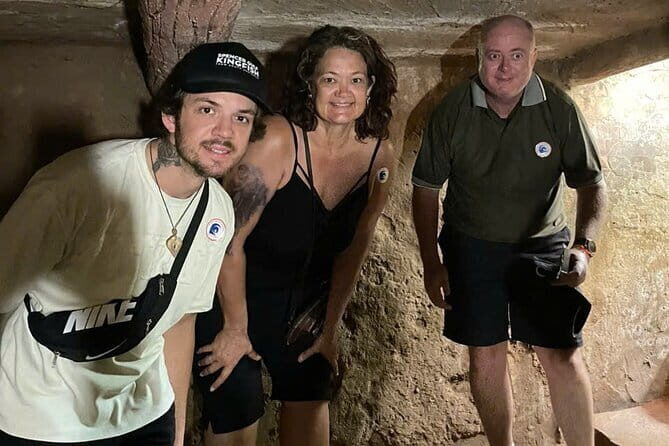
One practical note: the tour includes a lot of walking across different settings, and you’ll be moving from bright outdoor light to darker underground spaces. If you’re sensitive to enclosed areas, it’s smart to plan for that ahead of time.
Organic Farm Morning: Picking Ingredients and Learning Plant Nutrition
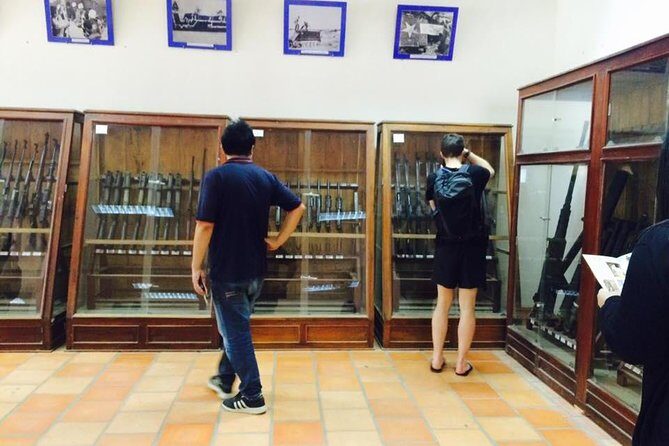
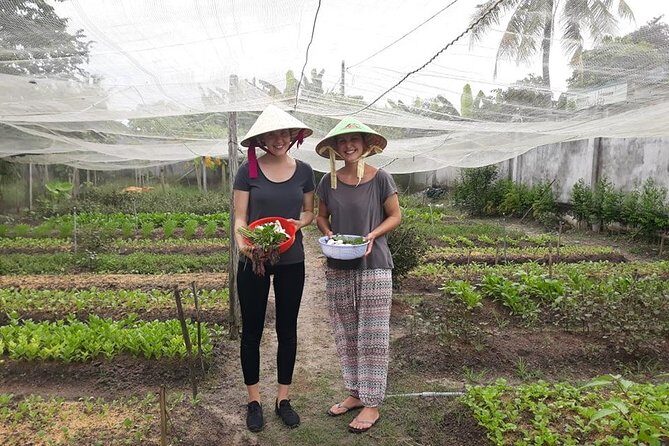
The farm part is where the day gets hands-on fast. You’ll explore an organic vegetable farm, learn about nutrition from the plants, and then do the activity: pick your own ingredients.
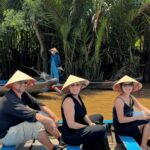
From the moment you start, the vibe is welcoming. There’s jasmine tea as part of the experience, and you’ll wear a Vietnamese hat while working with a basket and scissors. That small touch matters because it turns the farm into an activity you participate in, not a guided walk where you just follow along.
The key idea is that you don’t just see crops. You learn about what the plants provide. The farm visit covers produce and herbs, and the instruction connects ingredients to everyday nutrition—so when you cook later, you understand why those vegetables matter beyond taste.
Then comes the practical fun: you pick what you’ll use in your dishes. That’s a huge upgrade versus cooking classes that bring ingredients already washed and chopped, where you never feel the connection between the soil and the meal.
If you care about food culture, this section gives you a concrete way to understand what locals value: fresh ingredients, smart use of herbs, and an approach to health that starts on the farm.
The Cooking Class: 4 Courses, Real Technique, and Take-Home Recipes
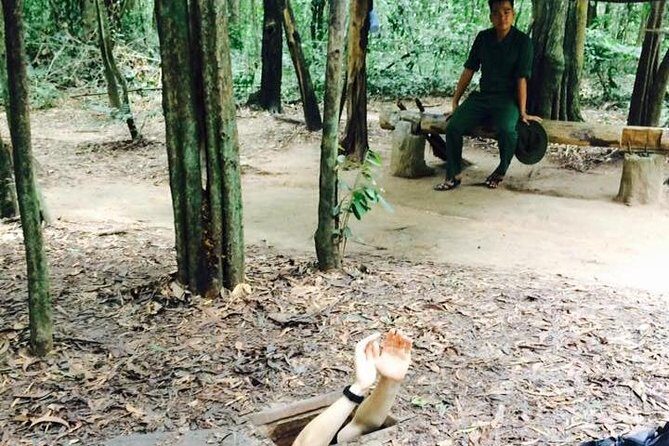
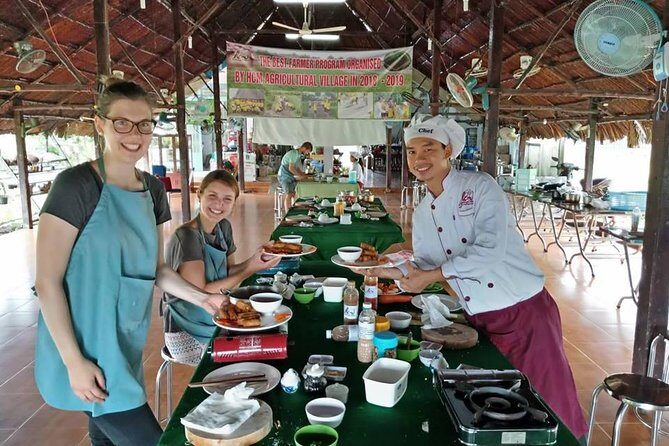
The cooking school is built around doing. The class is described as 100% hands-on, and you really do make four dishes—nice ones, not token samples.
You’ll learn through action: prepare, cook, and assemble your meal as part of a group setting. The guides also provide a structure that helps you understand Vietnamese cooking as a system of flavors, textures, and ingredient roles.
One standout detail that I think you’ll appreciate: you receive a certificate and recipes afterward. That’s more than a souvenir. It gives you a way to repeat the dishes at home instead of guessing which herb or sauce went where.
Chef Linh is specifically praised for being attentive and energetic, and guides like Aura, Daisy, and Suu show up in feedback as friendly, informative, and good at keeping the class moving. Even if your guide is different, that track record suggests you’re in good hands—someone will explain things in a way you can use, not just in a performance style.
You also get “main food that local people eat in the war time,” which adds context to why these dishes exist and how ingredients were chosen when life was harder.

The Small Extras That Make the Day Feel Like Real Local Life
A few moments in the day add texture beyond the big headings.
You’ll learn about rubber, which sounds random until you remember that Vietnam’s rural economy and materials tie into everyday life. You’ll also see local trap approaches and learn about how rice paper is made—both are practical culture topics that show how people work with materials and food prep methods.
There’s also a segment described as a magic kitchen. Even without exact technical details, the intent is clear: this isn’t only about cooking lessons. It’s about showing you kitchen craft and how familiar items come together in Vietnamese cooking.
Then you finish the historical thread with “survive 20 years underground,” including how people handled challenges while living in the tunnel environment. That connects to the food theme again. It’s hard not to think about what you’re eating when you know the conditions behind it.
Finally, getting to see and understand traps, rice paper making, and war-time survival foods in one day helps you leave with a more rounded understanding of south Vietnam than a standard city-only itinerary.
Food and Budget: What’s Included, What’s Not, and What That Means
Let’s talk value in plain numbers and plain expectations.
Your price is $81 per person, and it includes bottled water, snacks, lunch, and a 4-course lunch. You also get hotel pickup and drop-off, plus port pickup and drop-off, and air-conditioned transport. Coffee and/or tea are also included.
The main thing not included is drinks. So if you like soda, juice, or beer with your meal, you’ll likely pay extra on your own.
In my view, what makes this good value is that you’re paying for multiple “paid activities” in one ticket: a farm experience with picking, a cooking class with four dishes, and a structured Cu Chi visit—plus the transport and meals that usually add up when you book each piece separately.
Also, there’s a practical bonus: you get recipes and a certificate. That’s useful for cooking later, and it gives you a clear takeaway that isn’t just photos.
Who Should Book This Tour (and Who Should Think Twice)
This tour is a strong match if you want a first-time-friendly day that feels more meaningful than just sight-seeing. You’ll like it if you care about how ingredients grow, if you enjoy cooking, and if you want the Cu Chi story explained in a survival-focused way.
It’s also a good fit for people who like structured days with a guide. You don’t have to plan transport or manage a meetup. Pickup is included, and the day’s flow is clearly organized.
Where you might hesitate: if you prefer slow travel, you might find the length tough. Expect an early start and a full schedule. Also, the Cu Chi tunnels part may be uncomfortable for anyone who struggles with tight underground spaces (even if you’re physically fine, the environment can feel different).
If you’re the kind of traveler who likes to do something with your hands—picking vegetables and cooking your own food—this one fits your style.
Should You Book This Cu Chi + Farm + Cooking Day?
Yes, if you want one day that covers agriculture, Vietnamese cooking, and a key history site with minimal hassle. The included meals, hands-on farm work, and 4-course cooking class make it feel like a complete experience rather than a list of stops.
I’d especially book it if:
- you’re in Ho Chi Minh City for a short time and want one strong countryside day
- you enjoy cooking classes where you actually make the food
- you want Cu Chi explained beyond a quick walkthrough
I’d think twice if you:
- want a short outing instead of a long, early day
- dislike crowded groups (even though the group size is capped at 15)
- feel uneasy about underground spaces
If your goal is learning with your senses—taste, smell, and hands-on work—this is one of the better ways to spend a day outside the city.
FAQ
What time does the tour start?
The tour starts at 7:30 am.
How long is the experience?
It runs for about 10 hours 30 minutes.
Is hotel pickup included?
Yes. Hotel pickup and drop-off are included, and there is also port pickup and drop-off.
What’s included in the price?
The price includes bottled water, snacks, lunch (including a 4-course lunch), coffee and/or tea, and transportation in an air-conditioned vehicle.
Are drinks included?
No. Drinks are listed as not included.
Is there a vegetarian option?
Yes. A vegetarian option is available if you request it at the time of booking.
How big is the group?
The tour has a maximum of 15 travelers.