REVIEW · HO CHI MINH CITY
Cuchi Tunnel Tour
Book on GetYourGuide →Operated by Ace Travels Viet Nam · Bookable on GetYourGuide
Crawling underground changes how you see war. This Cu Chi Tunnel Tour takes you into Vietnam’s underground fight-and-survive system, a 250km tunnel network, with an English-speaking guide who keeps the story clear and human. I love the practical briefing first, then the hands-on stops like the smokeless kitchen, health care areas, meeting room, and fighting bunker. The one drawback to consider is the optional shooting range: it costs extra and can feel loud because it sits right by the only on-site refreshment spot.
At $23 per person, the value is strong because key parts are included: pickup and drop-off, entrance fees, a guide in English, plus snack and water (and wet tissues to make the day more manageable). I also like that the tour runs with two departure windows, so you can choose the morning or the midday start.
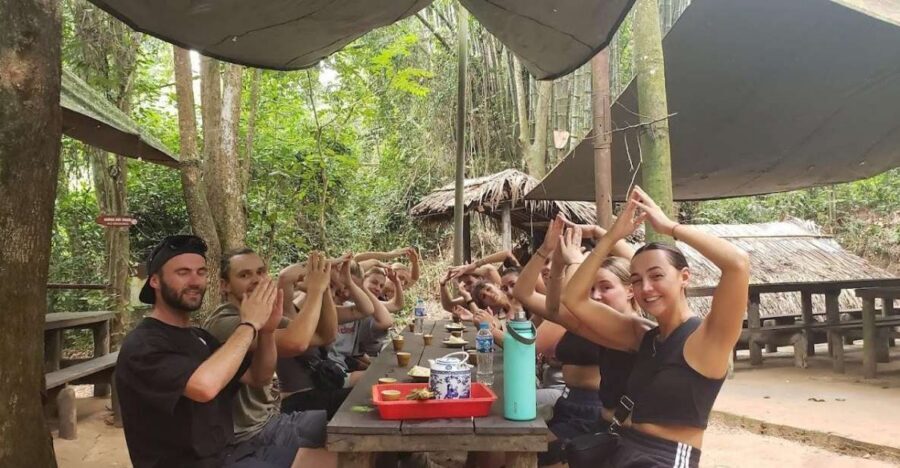
You’ll likely be in a small group (up to about 10–20 people depending on the booking), and going underground is described as your choice, not a forced stunt. If you’re sensitive to noise or you’re easily distracted by crowds, you’ll want to decide early whether you’ll add the shooting range.
In This Review
- Key things worth knowing before you go
- Cu Chi Tunnels at Ground Level: What the 250km Network Shows
- 7:30am or 12:00pm: Timings, Pickup, and Group Size Reality
- The Start: English Guidance That Cuts Through the Noise
- Map Briefing to Tunnel Model: Turning Confusion Into Clarity
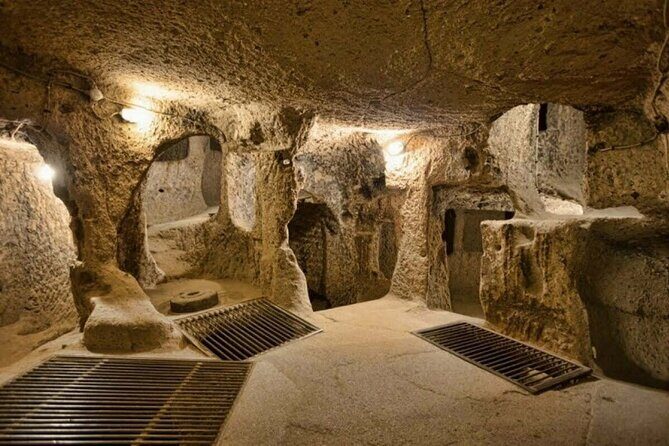
- Going Underground: Smokeless Kitchen, Health Care, Meeting Room, Bunker
- Tapioca Root Tasting and the Rice Paper Workshop Contrast
- Optional Shooting Range: Cost, Timing, and Noise
- Lacquer Ware Art Studio: A Peaceful Ending That Doesn’t Feel Random
- Price and Value: Where the $23 Includes a Lot
- Who This Cu Chi Tunnel Tour Fits Best
- Should You Book This Cu Chi Tunnel Tour?
- FAQ
- What times does the Cuchi Tunnel Tour depart?
- How long is the Cu Chi Tunnel Tour?
- Is hotel pickup and drop-off included?
- What language is the guide?
- What’s included in the $23 price?
- Is there free cancellation?
- Is the shooting range included?
Key things worth knowing before you go
- A guide-led tunnel map briefing helps you understand what you’re seeing before you get low and dark
- VC-era spaces are shown as functioning areas: kitchen, health care, meeting room, bunker
- Tapioca root tasting is part of the experience, framed as VC food
- Rice paper workshop adds a daylight, hands-on contrast to underground survival
- Shooting range is optional and extra-cost (you buy bullets on site)
- Lacquer ware art studio visit gives you a cultural finish after the war elements
Cu Chi Tunnels at Ground Level: What the 250km Network Shows
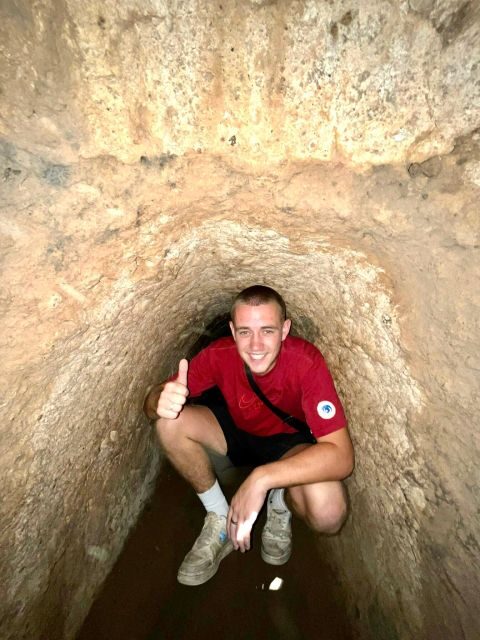
Cu Chi isn’t just a “war attraction.” This tour is built around the idea that the Viet Cong used the tunnels for hiding, living, attacking, and ambushing, even while the French and Vietnam war eras were unfolding. The tour’s headline is the tunnel scale: a 250km network in the Cu Chi district, and you’ll get a guided view of how those spaces worked in practice.
The most useful part is the sequence. You don’t jump straight into the dark. You start with a map and tunnel model briefing, which is the difference between “cool tunnels” and “I finally understand the layout and purpose.” Once you know why certain areas existed, the visit feels less like props and more like a survival system under pressure.
A second thing that makes this tour feel grounded is the emphasis on day-to-day function underground. You’ll be shown areas described as a smokeless kitchen, plus health care, a meeting room, and a fighting bunker. Even if you never go deeper physically, the explanation helps you connect the underground spaces to real decisions: where people ate, where they treated injuries, where they planned, and where they fought.
If you're still narrowing it down, here are other tours in Ho Chi Minh City we've reviewed.

7:30am or 12:00pm: Timings, Pickup, and Group Size Reality
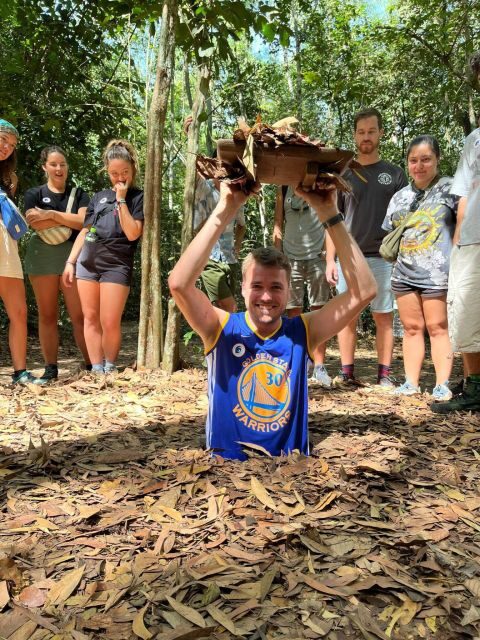
The tour offers two main departure times: 7:30am (morning) and 12:00pm (afternoon). The total time on the schedule is about 5–6 hours (listed as 330 minutes), which usually means you’re building in travel time plus time for briefing, tunnel stops, workshops, and the optional add-ons.
Pickup is included, with the practical instruction to wait 10 to 20 minutes in your hotel lobby before your scheduled pickup time. If your hotel is outside District 1, 3, or 4, the operator asks you to contact them. That small detail matters because the tour can move faster than you expect once you’re on board the bus.
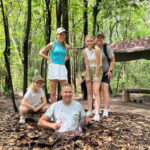
Group size is another consideration. The tour can run with maximum counts around 10pax/12pax/20pax, or you can book a private group. Smaller groups generally feel easier when you’re trying to keep together in tight spaces. One review also described a situation where the group scattered and the guide was harder to spot, so I’d treat this as a “stay close to your guide” day, not a “browse and wander” day.
The Start: English Guidance That Cuts Through the Noise
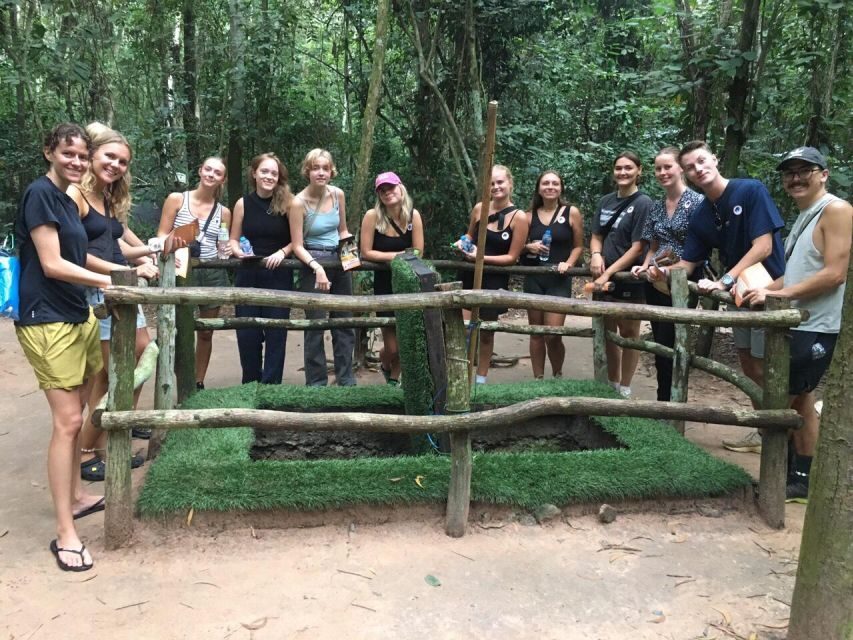
This is an English live tour with an English-speaking guide, and that’s one of the biggest reasons people rate the experience so highly. In multiple bookings, guides named Harry and Cory were highlighted for clear communication and strong engagement.
What I like about this approach is that the tour is presented without fluff. The guides are described as direct and story-focused, which is exactly what you want when you’re looking at historical spaces that can otherwise blur together. One guide also reportedly brought personal family context into the explanation of lasting impacts, including references to Agent Orange. That kind of link can make the history feel less like a lecture and more like something with consequences that continued after the fighting.
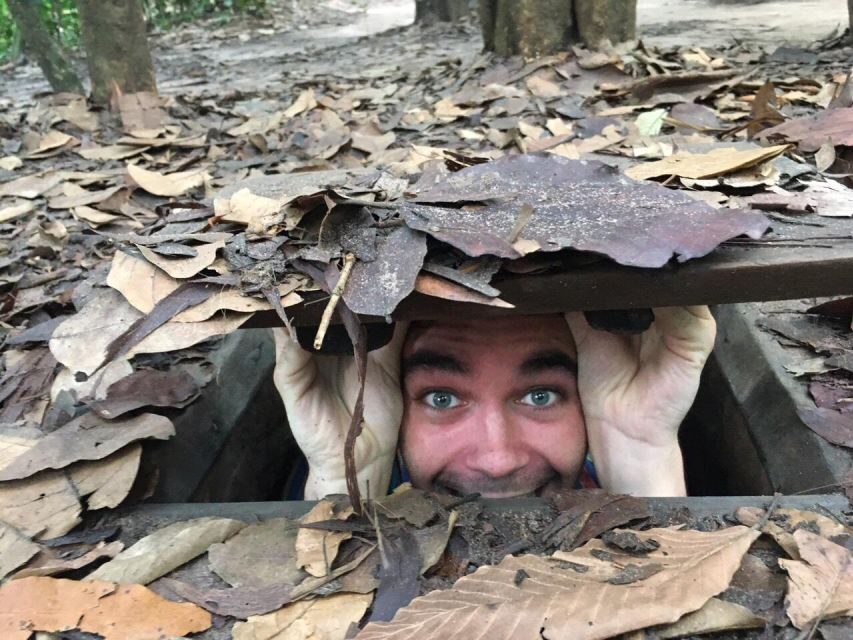
There’s also a “getting oriented” component. Before you go underground, you’ll hear about the tunnel layout, including what’s in place for defense. That includes references to traps built by the Viet Cong and a VC workshop element. Knowing that traps exist (and understanding why) changes how you interpret the entrances and the crawl spaces you’re about to see.
Map Briefing to Tunnel Model: Turning Confusion Into Clarity
The tour explicitly includes a map and tunnel model briefing, and it’s more than a quick introduction. It’s your mental key.
Without that briefing, it’s easy to get lost in the physical experience alone: crawling, ducking, and moving through a maze of corridors. With the briefing, you can start asking better questions. Where is the defensive setup? Why would an underground meeting room exist? How does a workshop fit into day-to-day operations? The tour’s planned stops point you toward these answers.
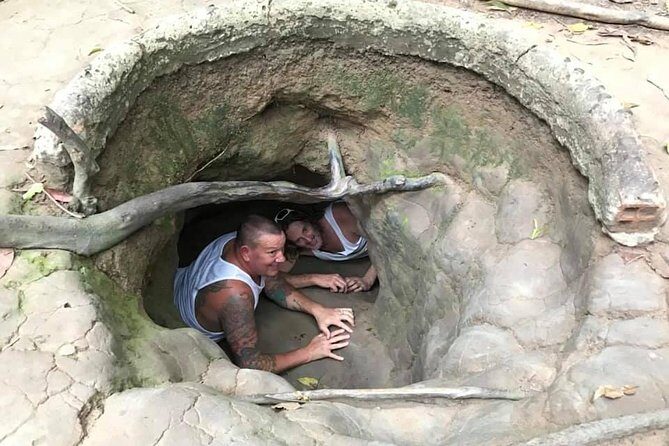
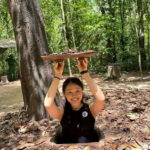
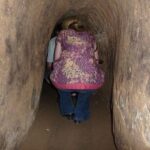
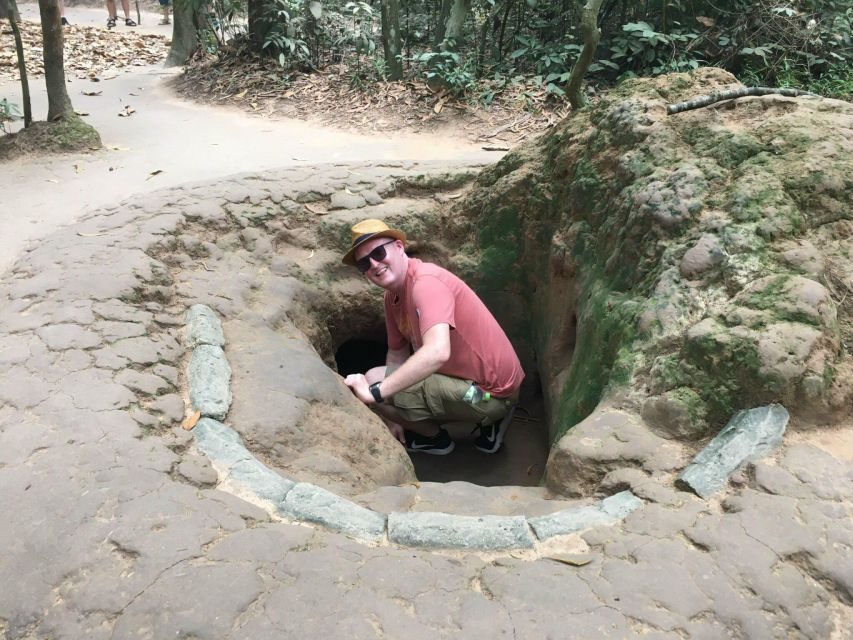
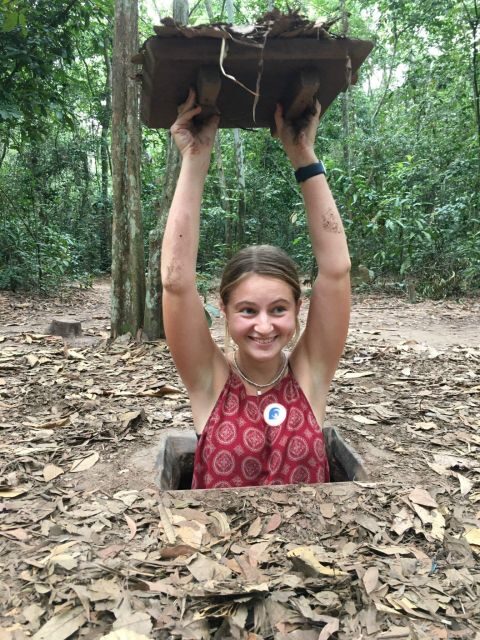
One review described a museum setup where tunnel sections are enlarged for tourists so you can crawl through and duck into some entrances and crawl spaces. That matters because it suggests the tour balances realism with safety and practicality. You get the physical sense without needing advanced equipment.
Also, the tour notes that going underground is your choice. That’s important. If you prefer to stay at the “observe and understand” level, you can still participate meaningfully. And if you want the full physical experience, the tour sets you up with the context first.
Going Underground: Smokeless Kitchen, Health Care, Meeting Room, Bunker
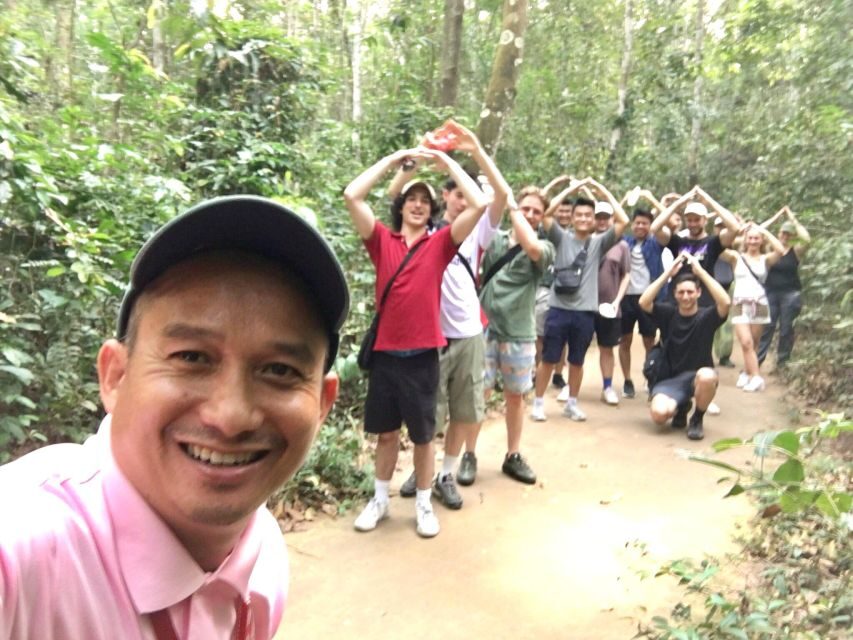
This is the heart of the tour, and it’s scheduled as a structured sequence of wartime spaces. The description calls out several specific underground elements:
- Traps built by the Viet Cong
- VC workshop
- Underground smokeless kitchen
- Health care areas
- Meeting room
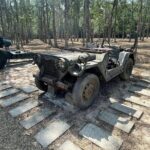
- Fighting bunker
Even without adding extra details, you can see the logic. The tunnels aren’t only about hiding. They’re about keeping a community running while staying concealed. A kitchen underground suggests sustained survival rather than temporary refuge. Health care underground signals that injuries were part of life. A meeting room implies coordination and planning. A fighting bunker tells you that action still happened from within the system.
One thing I’d watch for is your comfort level with tight spaces. The tour’s physical route is part of the point, and at least one review described the experience as humbling. That word usually comes from the gap between how we imagine war and what survival would require minute by minute.
If you’re traveling with mobility concerns, the tour does not state accessibility details in the provided info. Your best bet is to ask the operator directly about how the underground sections are handled for your specific needs.

Tapioca Root Tasting and the Rice Paper Workshop Contrast
After the tunnel portion, the tour shifts to food and craft. This change of pace is smart.
Tapioca root tasting is included, described as VC’s food. It’s not framed as a casual snack. It’s framed as a survival staple, which helps you connect the underground kitchen concept to what people might actually eat. Even if tapioca isn’t your favorite flavor, the tasting part is short and easy to fit into a half-day itinerary.
Then you get a rice paper workshop. This is the daylight counterweight to the underground story. It also helps you remember that Vietnam isn’t only about wartime memory. It has ongoing traditions, everyday food preparation, and hands-on craftsmanship.
If you like tours where the hands-on moments are practical, these two stops give you that. If you prefer purely historical stops and want fewer activities, you might skim the workshop vibe and focus more on the tunnel content—but it’s included in the tour flow, so it’s worth experiencing at least once.
Optional Shooting Range: Cost, Timing, and Noise
The tour includes a stop at a shooting range, and the key detail is that it’s on your own expenses. The info says you buy a minimum of 10 bullets for 600,000 VND.
One review called this a cool add-on and said it’s worth a few rounds because those guns may be rare and not legal in many countries. Another review added a real-world warning: the shooting range sits next to the small buffet area (the only one inside for drinks, food, and toilet), so it can get painfully loud. That’s not a small thing. It can eat up your tolerance for the rest of the day if you’re already tired or if you’re traveling with people who dislike loud environments.
My practical advice: if you want the shooting range, plan for it as a deliberate choice, not a last-minute impulse. Go in prepared for noise and extra spending, and then decide if you still want to linger where the buffet sits.
Lacquer Ware Art Studio: A Peaceful Ending That Doesn’t Feel Random
After the war-focused portion and workshops, the itinerary finishes with a visit to an Art Studio to see how to make lacquer ware fine art. This stop can feel like a left turn if you’re expecting the day to stay purely historical, but it works if you’re thinking about what comes after conflict: skill, production, and cultural identity.
Also, this tour doesn’t just show crafts as “souvenirs in motion.” It describes the lacquer ware process as something you can watch as it’s made. That turns your last hour into a quieter, more reflective wrap-up before heading back.
If you enjoy arts and you like to bring home something other than a generic postcard, this final stop is a good fit. Even if you don’t purchase anything, watching the process can be a meaningful contrast to the underground spaces.
Price and Value: Where the $23 Includes a Lot
At $23 per person, the tour is competitively priced for what’s included. The provided inclusions are:
- Transportation
- Pick up & drop off
- Entrance fee
- English speaking guide
- Wet tissue
- Snack & water
That’s the backbone of value. You’re not just paying for entry into a site; you’re paying for guided context and transportation out to the Cu Chi district.
What costs extra is mainly the shooting range (bullets only, with a stated minimum purchase). Everything else is presented as part of the core experience flow: tunnel briefing and stops, VC food tasting, rice paper workshop, and lacquer ware studio visit.
One more small value detail: at least one booking described a return option where the drop-off could include the war museum. That can save you time if you were already planning to visit nearby sights after the tour.
Who This Cu Chi Tunnel Tour Fits Best
This tour is a strong match if you want a guided experience that’s structured and clear. It’s also a good choice if you like hands-on elements, even when they’re brief. The tunnel route, tapioca tasting, rice paper workshop, and lacquer studio visit give you a full day of “see, learn, try, and connect.”
You’ll probably enjoy it most if you:
- Care about understanding how a clandestine system worked, not only looking at tunnels
- Want an English guide who can explain without overload
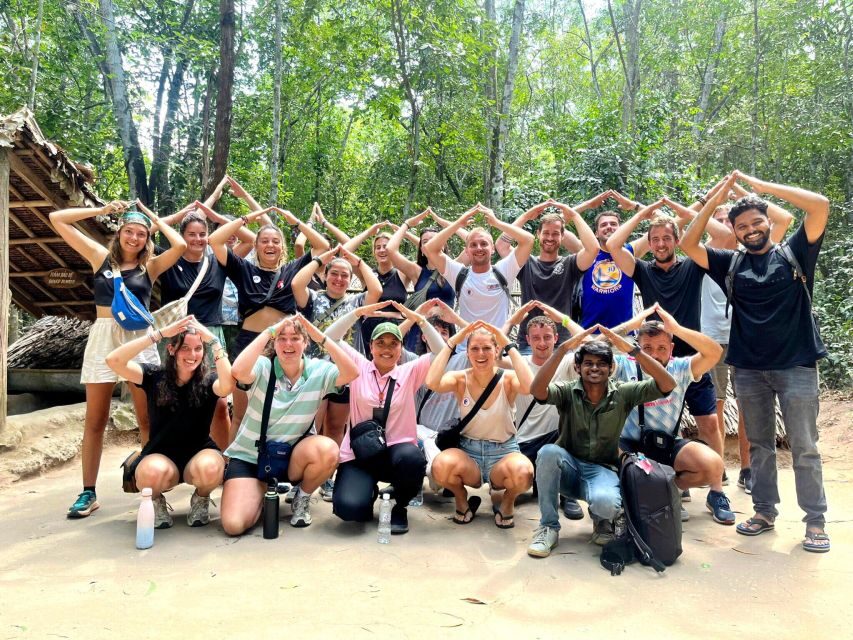
- Prefer small-group pacing over huge crowds
You might not love it as much if:
- You hate tight spaces and prefer not to go underground
- You’re very noise-sensitive and the shooting range sounds stressful
Should You Book This Cu Chi Tunnel Tour?
My straight answer: yes, if you want an English-guided Cu Chi visit with real structure. The $23 price looks fair because transportation, entrance fees, and guidance are covered, and the tour includes both underground wartime spaces and culture-focused stops afterward.
I’d think twice only if you know you’ll regret extra loud time at the shooting range or you don’t want to deal with a group that needs to stay together. If that’s you, treat the shooting option as a skip and focus on the briefing, the underground stops, and the craft workshops.
The high rating, plus repeated praise for guides like Harry and Cory, is a good sign that the storytelling and organization matter here. This tour is for people who want their history grounded in specific places you can actually see and (in part) experience.
FAQ
What times does the Cuchi Tunnel Tour depart?
There are two departure times listed: 7:30am in the morning and 12:00pm in the afternoon.
How long is the Cu Chi Tunnel Tour?
The duration is listed as 330 minutes, which is roughly 5–6 hours.
Is hotel pickup and drop-off included?
Yes. Transportation with pick up & drop off is included. You’re asked to wait in the lobby 10 to 20 minutes before pickup.
What language is the guide?
The tour includes an English speaking guide.
What’s included in the $23 price?
The price includes transportation, pick up & drop off, entrance fee, English speaking guide, wet tissue, snack & water.
Is there free cancellation?
Yes. Free cancellation is available if you cancel up to 24 hours in advance for a full refund.
Is the shooting range included?
The shooting range is not included in the base price. It’s available for your own expenses, with a stated minimum purchase of 10 bullets for 600,000 VND.