REVIEW · HO CHI MINH CITY
Cu chi tunnels Tour (Group and Private)
Book on Viator →Operated by Vietnam Travel Tour · Bookable on Viator
You can’t really understand the Vietnam War story until you see it underground. Cu Chi Tunnels is a connected maze built by Vietnamese fighters over decades, and this tour makes the history make sense with a guided walk, a narrow-tunnel crawl, and food from the wartime era.
I especially like that you get free pickup and drop-off in central Saigon plus an AC car, so the day starts with comfort and not hassle. I also like the way the tour builds context on the ride out, so when you finally reach the tunnels, you know what you’re looking at.
One possible drawback: you’ll have to crawl through very narrow, hand-dug tunnels, so if you’re claustrophobic or worried about cramped spaces, this may be tough even with a guided pace.
In This Review
- Key things to know before you go
- The Cu Chi Tunnels experience: what you’re really looking at
- Your guided route starts with history, not just navigation
- Discovering the tunnel system: secret network and underground village logic
- Crawling through the narrow tunnels: what to expect (and who should think twice)
- Wartime food break: tapioca and pandanus tea
- The short documentary: why it’s included and what it helps you do
- Private vs group tour: what changes in the experience
- Price and value: is $35 a good deal for Cu Chi?
- How the guide changes everything (Leon and Xuyen as examples)
- Timing and logistics: managing a 5–6 hour day smoothly
- Who should book this Cu Chi Tunnels tour?
- Should you book? My honest take
- FAQ
- How long is the Cu Chi Tunnels tour?
- What does the tour cost?
- Do you get pickup and drop-off in Ho Chi Minh City?
- Is there an entrance fee included?
- Is the guide available in English?
- What food and drinks are included?
- Do private tours offer anything extra?
- Can I cancel for a refund?
Key things to know before you go
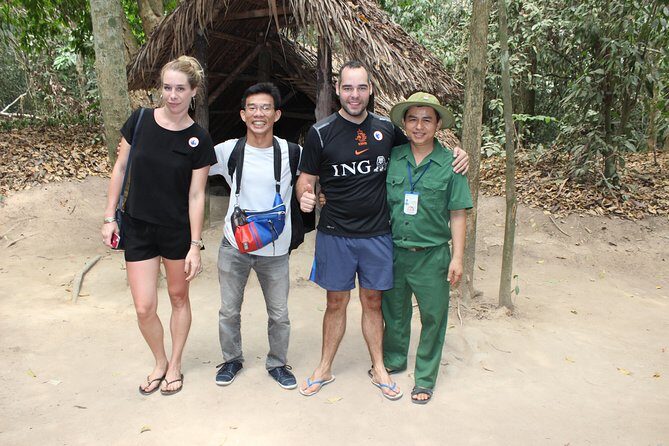
- AC pickup and central drop-off in Saigon: you start and finish in a convenient location, not across town.
- Secret network, not just a photo stop: the guide explains how the system worked and why it mattered.
- Crawl through narrow tunnels: it’s hands-on, and the space is extremely tight.
- Wartime snack experience: you’ll taste boiled tapioca with hot pandanus tea, the food soldiers ate.
- Short documentary in multiple foreign languages: helps you connect the visuals to the story.
- Private option includes countryside on the way: rubber tree plantations can show up en route when you book privately.
The Cu Chi Tunnels experience: what you’re really looking at

Cu Chi Tunnels were formed in the 1940s during the struggle for independence, and it took over 20 years to build the massive underground system. The point of visiting isn’t just to see tunnels as a historical artifact. It’s to understand that it functioned like a hidden village: connected spaces for movement, living, and survival, all designed to stay out of sight.
From the moment you’re in the area, the tour aims to remove the guesswork. A good guide helps you read the site like a living system instead of random corridors. The tunnels are often described as a “secret network,” but the more helpful way to think about it is as an engineered response to danger—tight, practical, and built for staying concealed.
And the experience is immersive in a very physical way. Even if you never go far underground, you’ll still be dealing with the reality of small spaces, low visibility, and the kind of slow movement you normally never plan for when sightseeing.
Other private Cu Chi Tunnels tours we've reviewed in Ho Chi Minh City



Your guided route starts with history, not just navigation
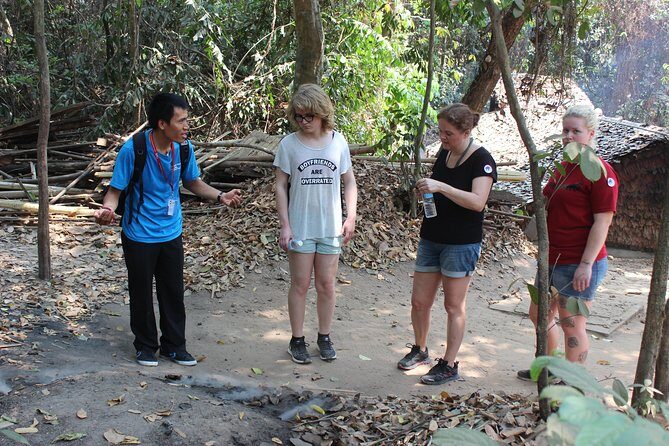
You’ll be picked up for a half-day tour that runs roughly 5–6 hours total. The included transportation is a good quality AC private car, and pickup plus drop-off are offered in the center of Saigon, which is a big deal if you’re trying to protect your day from long transfers.
This tour also doesn’t save the story for when you reach the site. The ride out is part of the experience. The guide explains Vietnam history on the journey so the tunnels don’t feel like a disconnected exhibit. That context matters because Cu Chi isn’t only about underground fighting. It’s also tied to independence, daily life under pressure, and how people adapted when the normal rules were gone.
If your guide is someone like Leon, you can expect an organized history walk with strong English and clear storytelling. If you’re with Xuyen, the tone tends to be equally educational and very friendly—focused on making the timeline understandable and the place feel real. Either way, the goal is the same: you’ll leave with a clearer picture of what you saw and why it was built.
Discovering the tunnel system: secret network and underground village logic
At the start of the visit, you’ll focus on learning the secret network itself—how the tunnels connect and why that connectivity mattered. It’s one thing to hear that it was a large system. It’s another to understand how interlinked passageways create options: movement when you have to, hiding when you can’t be seen, and shelter when conditions are bad.
The tour is set up to help you notice details instead of racing through them. You’re guided through the underground village idea—connected spaces, not a single tunnel. That framing helps you imagine what daily life could look like underground: not comfortable, but functional, and built with the resources and constraints they had.
You’ll also learn about the broader cultural and historical context. The tour is described as going beyond pure war facts. You’ll pick up elements of Vietnamese tradition and how the war period influenced daily decisions and community effort.
Crawling through the narrow tunnels: what to expect (and who should think twice)
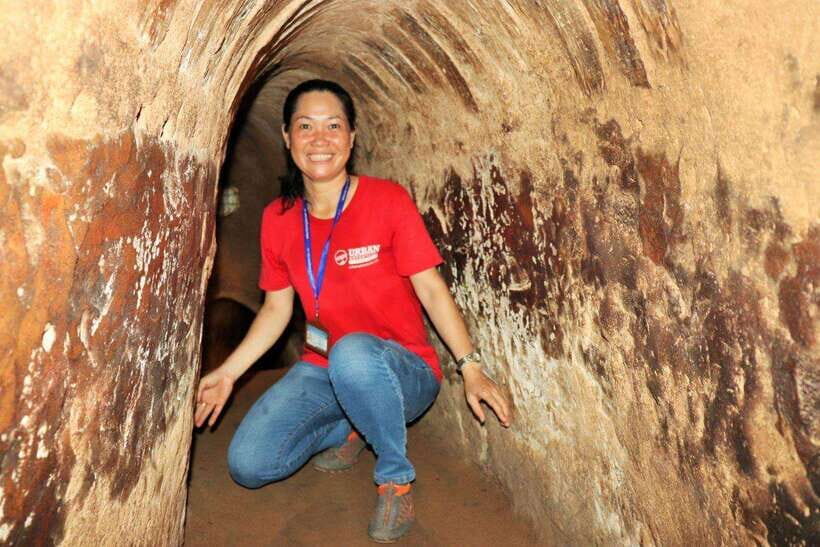
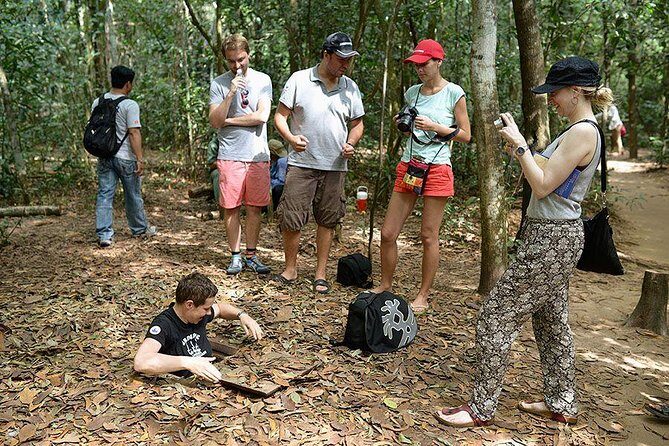
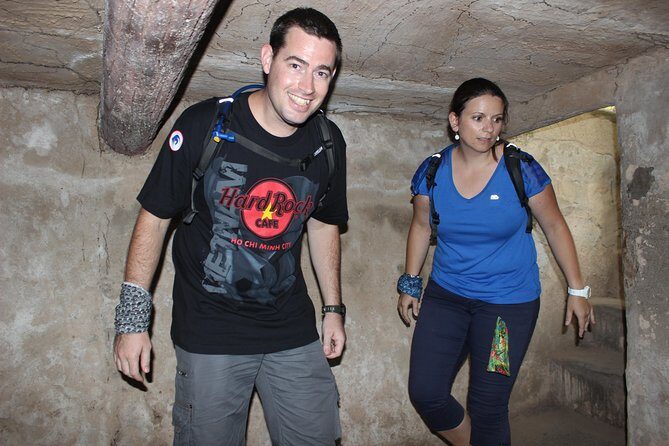
One of the biggest highlights is the chance to crawl through very narrow tunnels that were made by hand during the wartime. This is the part where Cu Chi becomes more than a museum stop.
Here’s the practical reality: the tunnels are described as totally hand-made and extremely narrow. That means you’re not walking. You’re moving low, slow, and close to the ground. Expect cramped angles and a space that feels intentionally difficult—because that difficulty was part of the protection strategy.
So yes, it’s thrilling in a memorable way. But it’s also not for everyone. Consider skipping or going in with extra caution if you have trouble with confined spaces, mobility limitations, or claustrophobia. Even if you’re okay with the crawl, wear and comfort matter because you’ll likely spend time focused on movement rather than scenery.
Wartime food break: tapioca and pandanus tea
After the tunnel portion, the tour includes a light snack meant to connect history to taste. You’ll have boiled tapioca along with hot pandanus tea—the exact kind of simple food Vietnam soldiers ate during wartime.
This is one of those inclusions that sounds small until you actually experience it. You’re not trying to find a fancy meal. You’re tasting the “survival normal” that supported endurance. It’s also a useful mental reset after being underground—warm tea and plain tapioca feel like a return to something familiar.
If you’re picky about texture, boiled tapioca can be a different experience than western starches. But it’s served as a light snack, not a full meal, so it works best as an honest historical taste rather than a culinary event.
Other group Cu Chi Tunnels tours from Ho Chi Minh City






The short documentary: why it’s included and what it helps you do
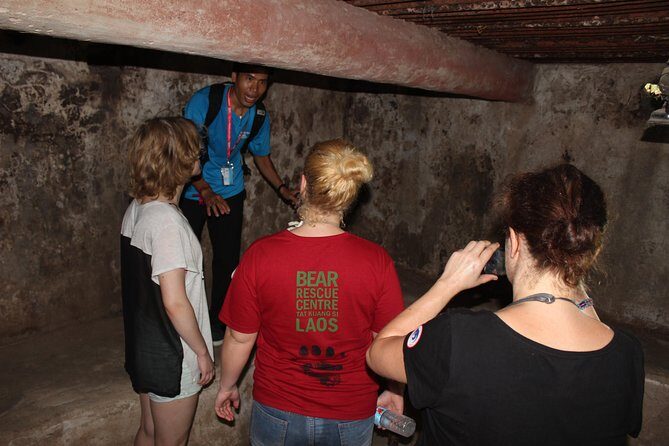
You’ll also watch a short documentary film about Cu Chi Tunnels during the war, and it’s available in multiple foreign languages. This matters because a tunnel site can feel like “I saw stuff underground” unless you’re given a clear storyline.
The documentary acts like a guide for your brain. It helps you connect what you saw in the physical spaces to the bigger wartime strategy and timeline. After watching, your tunnel impressions often snap into place: why certain layouts existed, why movement had to be secret, and why daily survival depended on the underground system.
This is especially helpful if you’re the type of traveler who likes understanding before taking photos. It also helps anyone who’s overwhelmed by the scale—film gives structure.
Private vs group tour: what changes in the experience
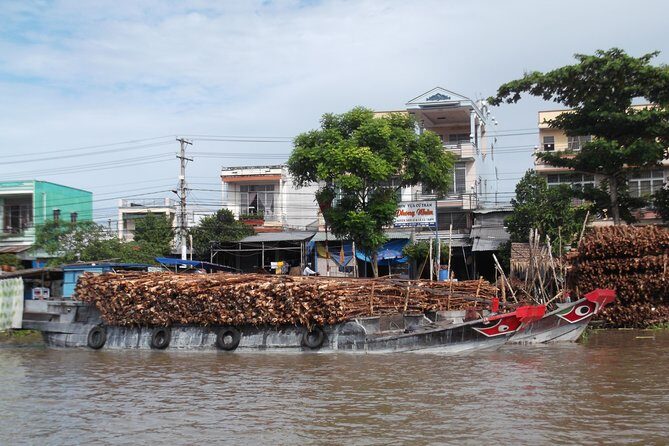
This tour is offered as Group and Private options, and the private version adds an interesting extra: on the way, you may get to explore a hidden local area with countryside scenery, including rubber tree plantations.
That en-route countryside piece can be more than a scenic bonus. It gives you a sense of what the region looks like outside the wartime site. Seeing plantations and rural scenery helps balance the emotional weight of the tunnels, so the day doesn’t feel like one long intensity session.
Group tours can feel a little more social, especially because the guides often keep the storytelling interactive and friendly. One review noted a small group size (up to 10 people, with a group around 6). That small scale tends to be a good fit: you still have company, but you’re not stuck in a giant bus herd.
If you want flexibility, a bit more attention from the guide, and the countryside add-on, the private booking is the better match.
Price and value: is $35 a good deal for Cu Chi?
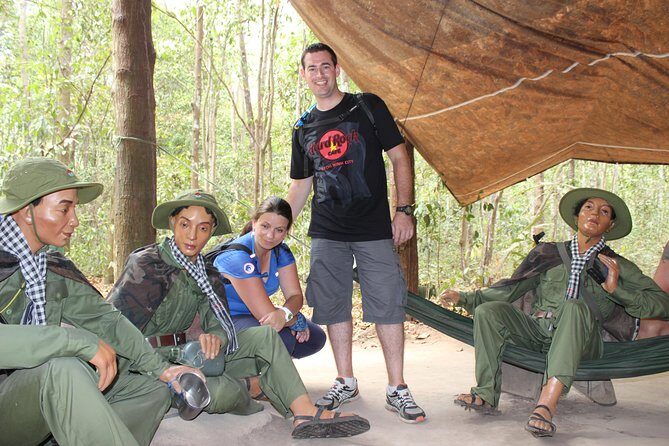
At $35 per person, this is positioned as an affordable way to visit Cu Chi without dealing with tricky logistics yourself. The big value isn’t just the price tag—it’s what’s included.
You get:
- Entrance fee to Cu Chi Tunnels
- A helpful English-speaking tour guide
- Free pickup and drop-off in central Saigon
- AC private car
- A bottle drink and tissues
- A light snack of tapioca and tea
- A short documentary during the visit
When you add those up, this starts to look like a solid “time saver” package. In a place like Ho Chi Minh City, the difference between a cheap self-arranged day and an organized day is often the hassle: finding transport, managing timing, and trying to understand the site without clear explanations. Here, you’re paying to remove that uncertainty and get story-led access.
Also, this is a half-day tour, meaning it fits neatly into a multi-day itinerary without stealing a full day from the rest of your Vietnam plans.
One more useful planning tip: it’s typically booked about 7 days in advance. If you’re traveling during peak times or want a private schedule, it’s smart to reserve earlier so you don’t get stuck with limited slots.
How the guide changes everything (Leon and Xuyen as examples)
Cu Chi can be emotionally intense, and it also contains confusing details if you’re just walking around. What makes this tour work well is the guide.
Two names stand out from past experiences: Leon and Xuyen. Both are described as strong in English and history, and both made the tour feel both educational and fun. In practice, that means you’re not stuck with one-way facts. You’re getting a guided narrative that ties underground spaces to Vietnam’s broader story.
If you’re the type of traveler who likes asking quick follow-up questions, small-group formats often make that easier. The tour’s guide-led pace also helps you not miss the key parts—especially the sections tied to how the tunnels functioned and how people lived and fought under constant threat.
Timing and logistics: managing a 5–6 hour day smoothly
This is a 5–6 hour experience, and it’s designed as a guided block rather than a flexible drop-in activity. The pickup and drop-off in central Saigon helps you keep your day clean and simple.
A few practical thoughts so you’re comfortable:
- You’ll likely spend meaningful time waiting briefly before entering and after the documentary, so plan your next activity with a buffer.
- Bring a bit of patience for the tunnel portion. Even if the “crawl time” is not endless, it takes more effort than walking through a normal attraction.
- The drink and tissues are included, but you’ll still want to wear clothes you’re okay getting a little dusty or warm.
One more note: the tour is described as being near public transportation. That’s useful if you’re staying outside the center, but since pickup is included, you normally won’t need to rely on transit.
Who should book this Cu Chi Tunnels tour?
This is a great fit if you want:
- A guided, history-led Cu Chi visit (not just photos)
- A tour with pickup, entrance included, and a timed flow
- The chance to crawl through tunnels and taste tapioca and pandanus tea
- A group format that can stay relatively small, or a private option with added countryside scenery
It’s less ideal if you strongly dislike tight spaces or have health or mobility concerns that make crawling difficult. The tour does say that most travelers can participate, but the tunnel portion is still described as very narrow—so trust your comfort level.
If you’re in Ho Chi Minh City for a few days and want one standout wartime history experience that feels real and structured, Cu Chi Tunnels does that job well.
Should you book? My honest take
If your goal is to understand Cu Chi Tunnels and not just see them, this tour makes sense. The mix of storytelling on the way, the guided walk through the secret network, the crawl through narrow tunnels, the tapioca-and-tea snack, and the short documentary all work together. You get both the emotional “wow” of the site and the practical understanding of what it represented.
Book it if you want an easy, value-packed half-day with guide help and clear timing. Choose private if you want the extra countryside ride through areas with rubber tree plantations. Skip or be cautious if confined spaces are a deal-breaker for you.
FAQ
How long is the Cu Chi Tunnels tour?
It lasts about 5 to 6 hours.
What does the tour cost?
The price is $35.00 per person.
Do you get pickup and drop-off in Ho Chi Minh City?
Yes. Pickup and drop-off are included in the center of Saigon.
Is there an entrance fee included?
Yes. The entrance fee to Cu Chi Tunnels is included.
Is the guide available in English?
Yes. The tour includes a helpful English-speaking tour guide.
What food and drinks are included?
You get a bottle drink, plus a light snack at Cu Chi Tunnels: boiled tapioca with hot pandanus tea.
Do private tours offer anything extra?
For the private Cu Chi Tunnels Tour with VN Bike Tour, you may explore a hidden local area on the way, including countryside views with rubber tree plantations.
Can I cancel for a refund?
Yes. You can cancel up to 24 hours in advance for a full refund. If you cancel less than 24 hours before the start time, the amount paid is not refunded.